
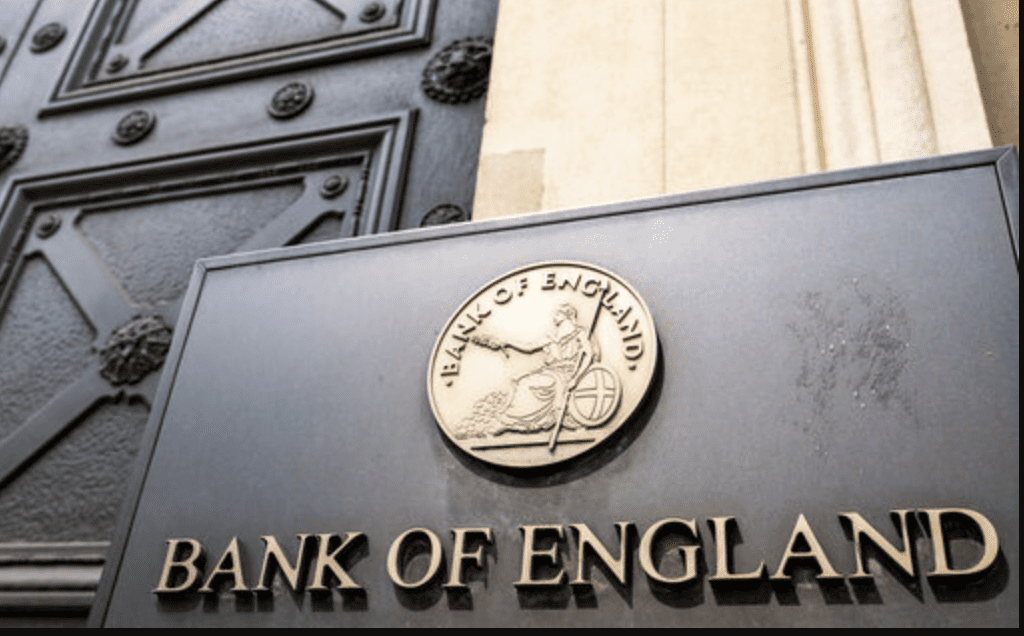
UK interest rates are back in the spotlight as the Bank of England’s latest move starts to push borrowing costs down. Homeowners and first-time buyers are watching mortgage interest rates in the UK ease slightly, while savers wonder if the good times of high returns will fade. Understanding what the best mortgage interest rates UK today are and why they matter can help households make savvy financial decisions in the current climate.
Understanding Interest Rates and Why They Matter
London’s City district is at the heart of the UK’s financial system. Changes in interest rates by the Bank of England ripple out to mortgages, savings accounts, and the broader economy. Interest rates represent the cost of borrowing money or the reward for saving it. They are expressed as a percentage of the amount borrowed or saved. For example, if you put £100 in a savings account at a 1% interest rate, you’d earn £1 over a year (ending with £101 total). Likewise, borrowing £100 at 1% would mean paying back £101 after a year.
In the UK, the most important interest rate is the (often called the base rate). The Bank Rate is the benchmark that influences nearly all other rates, from mortgage interest rates to what your bank pays on a savings account. When the Bank of England raises the base rate, lenders typically increase mortgage rates and other loan rates, making borrowing more expensive. On the flip side, banks usually also raise savings account rates, so savers earn a bit more. When the base rate falls, the opposite tends to happen: loans and mortgages become cheaper, but savings interest rates often drop as well
Because interest rates affect both monthly mortgage payments and savings growth, they have a broad impact on household finances. For anyone with a home loan, a change in rates can mean a noticeable difference in your bills. And for savers, especially retirees relying on interest income, rate changes determine how much return they get on their money. That’s why keeping an eye on interest rate news like the recent Bank of England announcement is so important for UK readers right now.
Latest UK Interest Rate News and Background
After a rapid series of rate hikes to combat soaring inflation, the Bank of England has now reversed course slightly. On 18 December 2025, the Bank’s Monetary Policy Committee cut the base rate by 0.25% to 3.75% This was a significant moment: it marked the sixth rate reduction since August 2024, reflecting growing confidence that the inflation crisis is easing. In fact, UK inflation has fallen dramatically from its peak of over 10% a couple of years ago to about 3.2% as of late 2025 close to the Bank’s 2% target. With price pressures cooling, policymakers judged they could begin gently loosening monetary policy to support the economy.
For UK consumers, this interest rate announcement is more than just a number. A lower Bank Rate typically means banks and building societies will start reducing the interest rates on new loans and mortgages. Sure enough, within days of the December decision, headlines showed major lenders trimming their mortgage rates to new lows for the year. The base rate cut offers some relief after a period of sharply rising borrowing costs. “For homeowners and buyers, the lower base rate offers some relief as borrowing costs start to ease,” noted one financial commentary. In other words, the tide is turning a little in favor of borrowers.
To put things in perspective, here’s how key interest rates in the UK have changed from late 2024 to late 2025:
| Interest Rate (UK) | Dec 2024 | Dec 2025 |
|---|---|---|
| Bank of England Base Rate | 4.75% | 3.75% |
| Typical 5-Year Fixed Mortgage Rate | ~5.5% | ~5.0% |
| Best Easy-Access Savings Account | ~5.0% | ~4.5% |
Sources: Bank of England; industry averages (Moneyfacts/MoneySuperMarket).
As the table suggests, the Bank Rate is about one percentage point lower than a year ago, and mortgage rates on average have nudged down in response. Savings rates, which had climbed to their highest levels in over a decade during 2023- 24, have started to “fade rather than fall” modestly in 2025.
It’s worth noting that even at 3.75%, the base rate remains higher than the near-zero levels seen in the late 2010s, though it’s come down from the 15-year highs reached in 2023. (For historical context, the UK base rate averaged around 7% over the past 50 years, so recent rates are low by long-term standards, albeit high relative to the last decade.) The Bank of England meets eight times a year to review rates and will adjust them as needed to steer inflation toward the target. The next interest rates announcement is scheduled for 5 February 2026, and many analysts expect a continued “gradual downward path” for rates, barring any inflation surprises
Best Mortgage Interest Rates in the UK Today
With the base rate now gently ticking down, what are the best mortgage interest rates UK today? The good news for homebuyers and those looking to remortgage is that mortgage costs are coming off their peak. Over the past year, UK mortgage interest rates have climbed to levels not seen since the 2008 financial crisis, squeezing many household budgets. Now, lenders are slowly lowering their rates for new mortgages, especially in response to the latest Bank of England cut.
Average mortgage rates: As of late 2025, the average two- or five-year fixed mortgage rate sits around 4.5–5.0% (for borrowers with a 25% deposit). This is down from roughly 5.5% or higher at the start of the year. For example, in May 2024, the average 5-year fixed rate was about 5.48%, and by late 2024, it had eased to roughly 5.1% Now, in December 2025, it’s near 5%. These averages mask a range: the best mortgage deals are even lower, while higher loan-to-value (LTV) mortgages or those for borrowers with weaker credit will come with higher rates.
Top deals dipping below 4%: A key development is that some major lenders have begun offering mortgages with interest rates under 4% again. In fact, **multiple lenders (such as Nationwide and Barclays) are now advertising five-year fixed deals at 3.99% for certain borrowers. These sub-4% rates generally require a sizeable deposit (e.g., 40% equity for remortgagers) and sometimes come with product fees, but they represent the lowest mortgage rates seen in a couple of years. One recent news report noted that the base rate cut “has already begun to prompt lenders to offer sub-4% mortgage rates, providing opportunities for buyers and remortgagers to secure more competitive deals” In other words, if you are in a strong financial position, you can now lock in a mortgage rate starting with a “3” something that seemed out of reach when rates were peaking.
Remortgage interest rates: For the remortgage market, these trends are crucial. An estimated 1.8 million UK households have fixed-rate mortgages ending in 2025, meaning a huge wave of borrowers will be shopping for new deals. Last year, many of these homeowners were bracing for a payment shock coming off 2% or 3% fixed deals and facing new rates of 5% or more. Now, thanks to the rate cuts, remortgagers may find slightly better offers. They are essentially the same as rates for new borrowers: around 4–5% depending on term and LTV, with the very best around 3.8–4.0% if you meet the criteria. While 4% is still higher than the ultra-low rates of a few years ago, every tenth of a percent counts. For example, dropping from a 5% rate to 4% on a £200,000, 25-year mortgage would reduce the monthly payment by over £110 (from roughly £1,170 to £1,060). That’s real savings for households
Fixed vs variable: Nearly all UK mortgages are fixed-rate or variable (tracker) deals. Lately, fixed-rate mortgages have been more popular for the certainty they provide. With rates now possibly on a downward trajectory, some borrowers might consider variable-rate or tracker mortgages (which follow the base rate) in hopes that their rate will fall further if the Bank of England cuts again. However, fixed deals have also been getting cheaper and offer protection if economic tides turn. As of today, the gap between fixed and tracker rates isn’t huge; many trackers are around 4% too. If you think rates will continue to fall in the coming months, a tracker could save you money; if you prefer certainty or expect rates could rise again, a fixed-rate might be safer. Always factor in your own budget and risk tolerance.
How to find the best mortgage rates: Here are some steps and best practices for securing a good mortgage deal in the current UK market:
- Shop Around and Compare – Lenders’ rates can vary daily. Use comparison tools or a whole-of-market mortgage broker to see offers from big banks and smaller building societies. Competition among lenders has increased, so it pays to check multiple sources for the lowest rate available to you.
- Improve Your Credit and Profile – The lowest advertised rates often assume a clean credit history and stable finances. Before applying, check your credit score and fix any errors. A higher score and low existing debts make you less risky and eligible for better rates.
- Aim for a Larger Deposit (Lower LTV) – The loan-to-value ratio greatly affects your rate. If you can put down a larger deposit (or have built up equity if remortgaging), do so. For example, rates below 4% are typically for 60% LTV deals. With 10% or 5% deposits, rates will be higher. Every 5–10% more in a deposit can shave some interest off.
- Compare Fees and Overall Cost – The best interest rate isn’t everything. Many mortgages come with arrangement fees (often £999 or more). Calculate the total cost over the fixed period. A slightly higher rate with no fee might actually be cheaper over a few years than a rock-bottom rate with a big fee. Consider also any incentives (cashback, free valuation, etc.) in the deal.
- Consider Timing and Lock-ins – Mortgage offers are usually valid for a few months, so you can secure a rate in advance. Given the current environment, if you find a good rate, it could be wise to lock it in. But also stay alert: if rates drop further before you complete, you might renegotiate or switch to a better offer if possible (check with your broker or lender about their policy).
By taking these steps, you’ll increase your chances of landing one of the best mortgage interest rate deals available today. And remember, even small differences in interest rates add up over time. It’s worth doing the homework to potentially save hundreds or thousands of pounds in interest.
(Internal Note: Read our guide on the biggest moves in the stock market today for more details on how economic news can impact financial markets.)
Savings and Current Account Interest Rates Today
If you’re a saver in the UK, you’ve probably enjoyed the much-improved interest rates on savings accounts over the past year. But with the base rate now inching down, savings interest rates UK today may have peaked and could gradually decrease. Here’s the current landscape for savers:
Easy-access savings accounts: These are the everyday savings accounts that allow you to withdraw money whenever you like. The best easy-access savings rates are currently around 4.3% 4.5% AER (Annual Equivalent Rate) as of late 2025. A few months ago, some accounts were even hitting 5%, especially after a new entrant (Chase Bank) offered 5% in mid-2025 to shake up the marketHowever, since the August rate cut, many banks started trimming their easy-access rates. By December 2025, the very top easy-access accounts still pay roughly 4.50%, which is a great rate historically, though a notch below the year’s high. If you need instant access to your cash, you can still earn around 4%+ fairly easily by picking a top account. That’s enough for many savers to at least keep up with inflation at 3% (after basic-rate tax on interest)
By contrast, high street banks’ savings accounts often pay much less. Big banks are notoriously slow to pass on rate rises to savers. As a result, some well-known banks are still paying only on the order of 2%–3% on easy-access savings, even though the base rate is 3.75%. Savers sticking with a low-paying account are effectively leaving money on the table. For example, £10,000 saved at 2% yields £200 interest a year, whereas at 4% it would earn £400, double the return. The lesson: it’s crucial to shop around rather than assume your bank will automatically reward you with a competitive rate.
Fixed-rate bonds: If you can lock your money away for a set term, fixed-rate savings accounts (bonds) usually pay a bit more. Currently, 1-year fixed bonds offer around 4.4%–4.6%, and 5-year fixed bonds around 4.3% Interestingly, long-term rates are slightly lower than short-term rates, a sign that markets expect overall rates to fall further in the future. In fact, top 1-year rates only fell by about 0.3 percentage points over the year, even as the base rate fell 1% This means banks are still willing to offer good rates to attract deposits. If you believe rates will continue to drop, now could be a good time to lock in a portion of your savings at a fixed rate. Just be aware that once you lock into a fixed bond, you typically cannot withdraw early without penalty, so keep an emergency fund elsewhere.
High-interest current accounts: A few bank accounts offer premium interest on current account balances, often with strings attached. These can be thought of as hybrid checking-savings accounts. For example, Santander’s Edge current account and linked saver pay up to 6% AER on balances up to £4,000 (though the current account has a monthly fee). Similarly, some digital banks or smaller banks have regular saver accounts or current accounts offering 5% AER on limited balances (often £1,000–£5,000 max). Cahoot’s “Sunny Day Saver” was paying 5% on up to £3,000. These offers can be great for small pots of savings, essentially beating any standard savings account, but anything above the small cap earns 0% or a low rate. Also, they may require certain conditions (like paying a minimum each month or having direct debits set up). If you have only a modest amount to save, using a high-interest current account or regular saver can yield excellent returns. Just don’t exceed the cap, and remember that rates on these accounts can change at the bank’s discretion.
ISA and tax considerations: Most savings interest is taxable, but many people fall under the Personal Savings Allowance (which lets basic-rate taxpayers earn £1,000 interest tax-free per year). With rates higher now, more savers might bump into that limit. Using a tax-free wrapper like an ISA (Individual Savings Account) can be wise if you have larger sums. Cash ISAs currently offer rates comparable to non-ISAs (easy-access ISAs around 4%+, fixed ISAs up to ~4.5%). The benefit is that all interest in an ISA is tax-free, no matter how much you earn. In late 2025, the government actually raised the deposit protection limit under the Financial Services Compensation Scheme to £120,000 (from £85,000), so UK savers have even more of their money safeguarded per bank. In practice, that means if you have under £120k with any one regulated bank, your money is protected even if the bank were to fail – a good piece of mind in volatile times.
Outlook for savers: Experts predict that savings rates may “fade” a bit more going into 2026 if the base rate continues to fall. We’re already seeing that longer-term fixed rates are lower because banks anticipate future cuts. However, robust competition, especially from challenger banks, has kept savings deals surprisingly resilient. Even as the base rate fell 1% over 2025, the top savings accounts only dipped by 0.3–0.5% in many cases. This implies that banks really want savers’ deposits. For now, UK savers should seize the moment: interest rates are still at multi-year highs, so it’s wise to lock in decent rates where you can, but also keep some flexibility. A balanced approach (for example, split funds between an easy-access account and a 1- or 2-year bond) can ensure you benefit from today’s rates while staying prepared for future changes
Who Benefits and Who Loses from Rate Changes?
Interest rate moves create winners and losers, so it’s important to understand why it matters when rates go up or down:
- When interest rates rise, Borrowers feel the pain. Anyone with a variable-rate mortgage or loan will see their monthly payments increase. New fixed-rate mortgages become pricier too. This can put strain on household budgets, for instance, an increase of 0.5% on a £200k mortgage adds roughly £50+ to the monthly payment. Businesses also face higher costs on their loans. On the flip side, savers benefit from rising rates. Bank accounts and bonds start yielding more, which is great for those living off interest or looking to grow their savings. Also, higher rates tend to strengthen the pound (as global investors seek better returns in GBP deposits or bonds), though currency markets are influenced by many factors.
- When interest rates fall: The opposite happens. Borrowers benefit it becomes cheaper to get a mortgage, finance a car, or carry a credit card balance. Homeowners on variable rates might see instant relief in their next payment. Those looking to remortgage or buy a house can suddenly afford a bit more, as lower interest rates mean lower required payments for the same loan amount. This is why the recent base rate cut is welcomed as “relief” for mortgage holders. However, savers lose out when rates drop. Banks will cut the interest paid on savings accounts, meaning your money grows more slowly. After years of low rates, savers had finally been earning decent returns in 2023–25; now they must brace for those returns to shrink. That said, because rates are coming down from a relatively high level, we’re still in a much better place for savers than the near-0% interest rates not long ago.
In short, rising rates help savers but hurt borrowers, while falling rates help borrowers but hurt savers. There’s also a broader economic angle: higher rates cool the economy and inflation (by discouraging spending and lending), whereas lower rates aim to stimulate growth (by encouraging borrowing and investment). The Bank of England is constantly trying to balance these effects to maintain stability. For individuals, the key is to understand which side of the equation you’re on: borrower, saver, or both – and plan accordingly.
Real-World Example: Impact on a Homebuyer
Consider a first-time buyer in the UK shopping for a mortgage in mid-2023 versus today. In mid-2023, mortgage rates for a 2- or 5-year fix were around 5.5%. If our buyer needed a £250,000 loan, the monthly payment on a 25-year term at 5.5% interest was roughly £1,530. Fast forward to today: the same size loan at a 4.5% rate (now achievable for someone with a good deposit) would cost about £1,390 per month. That’s ~£140 less every month, purely due to the drop in interest rates. Over two years, that borrower would save over £3,300 in interest payments.
For someone remortgaging, the story is similar. Suppose a homeowner fixed a mortgage at 2% in 2018 (monthly payment ~£1,060 on that £250k loan). In 2023, their deal ended, and the best they could find was 5.5%, jolting the payment up to ~£1,530 – a huge increase. But if they held off or went on a tracker for a while, they might now fix at 4.5% and bring the payment down to ~£1,390. It’s still higher than the 2% days (and households should budget for that reality), but the difference shows how timing and rate cycles matter. Over the typical mortgage life, there will be opportunities to refinance when rates dip.
Savings example: A retiree with £100,000 in a savings account earning 4.5% AER today would get £4,500 interest per year. If rates gradually fall to, say, 2.5% in a couple of years, that annual interest would drop to £2,500 – meaning £2,000 less income per year for the retiree. They might respond by shopping around for higher rates, fixing some money for longer terms, or even considering income investments to compensate. The example underscores that savers must stay proactive; loyalty to a low-rate account can significantly cost you when better options exist.
These scenarios show why UK consumers need to keep watch on interest rate trends. A smart move (like refinancing at the right time or switching to a top savings account) can yield substantial benefits, especially now as the financial cycle shifts.
Useful Tips for UK Borrowers and Savers
- Stay Informed on Rate Announcements: Keep an eye on Bank of England updates (they typically announce rate decisions every 6 weeks or so). Changes in the base rate usually filter through to mortgages and savings within days or weeks. Knowing a rate cut or hike is coming can help you time a mortgage application or decide when to lock in a savings rate.
- Consider Early Remortgaging: If you’re on a fixed mortgage due to end in the next 6–12 months, start looking at deals now. Many lenders allow you to secure a rate up to 6 months before your current deal expires. With rates potentially falling, you might secure a better deal and have peace of mind. Just beware of any early repayment charges if you switch too early; often it’s worth waiting until 3 months or less remaining unless a dramatically better rate is available.
- Build an Emergency Fund (Even if Rates Drop): Don’t let the prospect of lower savings interest discourage you from saving. Aim to have 3–6 months of expenses in an easy-access savings account. Even at 3% interest, this rainy-day fund is vital, it’s about financial security, not just return. And remember, some high-interest current accounts or regular savers can boost the return on a portion of those savings.
- Use Mortgage Overpayments Wisely: When rates were ultra-low, many borrowers didn’t rush to pay down debt. Now that rates are higher, check if your mortgage allows overpayments (most allow 10% of the balance per year without penalty). If you can afford it, overpaying a bit while rates are high is like getting a guaranteed return equal to your mortgage rate. It also cushions you if you need to remortgage at a higher rate by reducing the outstanding balance. As rates ease, you might reduce overpayments, but any extra paid off still saves you interest in the long run.
- Seek Professional Advice if Unsure: The financial world can be complex, and what’s “best” can depend on personal circumstances. Independent financial advisers or mortgage brokers can offer guidance tailored to you, whether it’s figuring out the optimal mortgage strategy or how to invest savings when bank interest rates fall. Especially for large decisions like taking a long fix vs. a short fix, or investing lump sums, a bit of expert advice can be invaluable.
FAQ
Q1: What are the best mortgage interest rates in the UK today?
A: The very best mortgage rates in the UK right now are around 3.8% to 4.0% for fixed deals, typically available to those with large deposits (40% or more). For example, some major lenders have five-year fixed rates at 3.99% for borrowers with 60% If you have a smaller deposit (e.g., 10%), the best rates might be in the mid-4% to low-5% range. Always compare current offers from different lenders, as rates change frequently. Using a mortgage broker or comparison site can help find the lowest rate you personally qualify for.
Q2: What are the current savings interest rates in the UK today?
A: Easy-access savings accounts in the UK are paying roughly 4% to 4.5% AER today for the top deals. If you’re willing to lock your money in a fixed-term account, a one-year fixed bond offers around 4.4–4.6%, and a five-year bond about 4.3–4.4%. Cash ISA rates are similar, often slightly above 4% for easy access. Keep in mind that many high street banks’ standard savings accounts pay much less (sometimes just 2%), so it’s worth shopping around. Some current accounts and regular savers even offer up to 5–6% on limited balances, which can boost your interest on smaller savings.
Q3: What does the latest Bank of England interest rate announcement mean?
A: The Bank of England’s latest announcement in December 2025 was a 0.25% cut to the base rate, bringing it down to 3.75%. For the public, this means borrowing costs should get a bit lower; for instance, new mortgage rates and other loans might become slightly cheaper over the coming weeks. We’ve already seen some banks respond by cutting mortgage rates. On the other hand, savings account rates may also edge down following the base rate cut, reducing how much interest savers earn. The decision reflects the Bank’s view that inflation is coming under control, so it can afford to gently reduce rates to help the economy. Looking ahead, the Bank of England will continue to monitor inflation and could cut further or pause, depending on how the economy performs.
Q4: How do remortgage interest rates in the UK compare to new mortgage rates?
A: Remortgage interest rates offered by lenders are generally the same as rates for new mortgages. Banks usually don’t charge higher rates just because you are switching an existing loan – in fact, many actively court remortgagers with special deals. So if the best five-year fix for a new borrower with 25% deposit is 4.2%, a similar 4.2% would likely be offered to an existing homeowner with 25% equity who is remortgaging. One thing to note is that remortgagers might have access to “switcher” or loyalty rates if they stay with their current lender; sometimes these can be slightly better (or easier with less paperwork). Also, as a remortgager, you already have a track record with a mortgage, which can be positive. As of today, expect roughly 4%5% rates for many remortgage cases, with the best sub-4% if you have lots of equity. Always compare both your current lender’s offer and other lenders’ deals to ensure you get the most competitive rate when remortgaging.
Q5: Which UK current accounts have high interest rates?
A: A few UK current accounts and linked regular saver accounts offer high interest rates on balances, though usually with conditions. For example, Santander’s Edge account has a linked saver paying 6% AER on balances up to £4,000 (the current account itself has a fee of £3 a month). Nationwide’s FlexDirect current account offers 5% AER on up to £1,500 for the first year (0% after that year). Some digital banks run regular savings accounts (you deposit a set amount each month) with rates around 5%. And as noted, Cahoot (linked to Santander) was offering about 5% on up to £3,000 in its “Sunny Day Saver.” These high rates often come with caps or requirements (e.g., pay a certain amount monthly, or only pay interest on small balances). They’re great for boosting returns on your everyday money, but anything above the cap should be moved to a standard savings account once you hit the max – otherwise the excess earns little to no interest.
Q6: Are UK mortgage interest rates going up or down now?
A: At the moment, UK mortgage interest rates are on a downward trend, slowly coming down from their peak earlier in 2023. The recent base rate cuts by the Bank of England have prompted many lenders to reduce mortgage rates for both fixed and variable deals. Over the latter half of 2025, average mortgage rates fell from the mid-5% range to around 5% or below. Lenders have reintroduced sub-4% rates for the first time in a while. This doesn’t mean rates are plummeting quickly, but the direction has turned downward as inflation eases and market conditions improve. Going into 2026, if inflation remains under control, experts anticipate mortgage rates could gradually fall a bit further, tracking any additional base rate reductions. However, they might not drop to the ultra-low 1–2% levels seen in 2021, barring a major economic shift. Borrowers should stay alert to rate changes and be prepared to act when favorable opportunities arise.
Conclusion
The trajectory of UK interest rates has shifted, offering a ray of hope for borrowers after a challenging period of high costs. The best mortgage interest rates UK today are lower than they were a year ago, and savvy homebuyers or homeowners looking to remortgage can take advantage of emerging sub4% deals. Meanwhile, savers are advised to remain proactive, even though savings interest rates may dip from their recent highs; they are still attractive by historical standards, and competition among banks can yield excellent returns if you shop around.
Moving forward, UK readers should watch the Bank of England’s moves closely. The next rate decision in early 2026 will signal whether the easing cycle continues. Keep an eye on inflation data and economic news, as these will guide how far and how fast interest rates might fall. If you’re a borrower, it could pay to plan ahead for potential rate changes, for instance, considering locking in a rate or grabbing a good fixed deal while it’s available. If you’re a saver, be ready to pivot accounts to secure the best rates and consider fixing some funds if further declines seem likely.
In summary, the interest rate landscape is constantly evolving, and what’s “best” today might change next quarter. By staying informed and flexible, UK consumers can make the most of the current interest rate environment, whether that’s snagging a cheaper mortgage or maximizing interest on savings. In times of change, knowledge is truly power for your finances.