
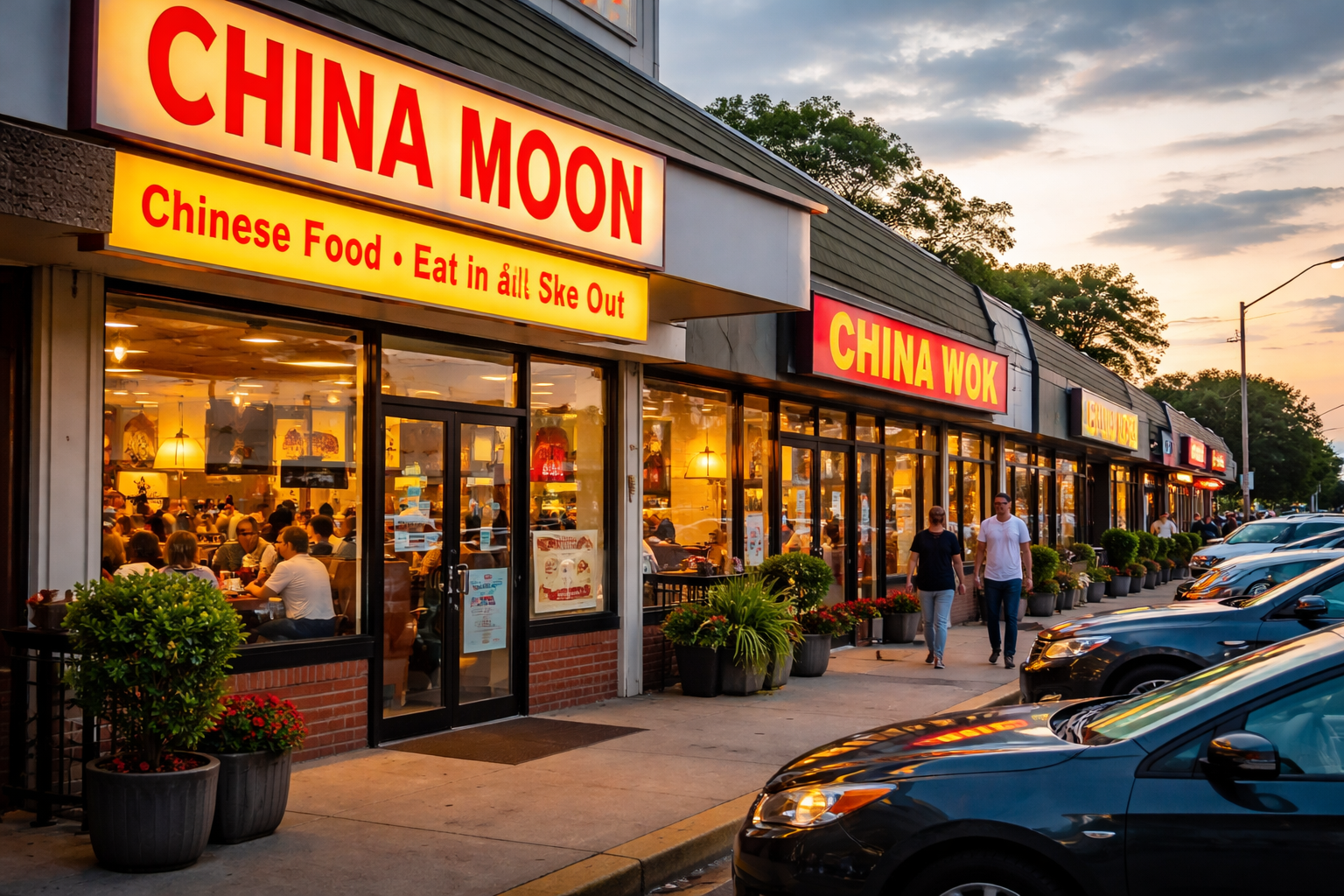
Bridgewater China is not a term that appears in trade agreements or diplomatic briefings, yet it captures a real and growing connection between a New Jersey township and the wider forces shaping the global economy. In Bridgewater, a suburban community best known for offices, retail centers, and commuter neighborhoods, Chinese-owned restaurants and small businesses have become a visible part of everyday life. Their presence offers a practical example of how international trade, migration, and consumer demand intersect far from Washington, Beijing, or financial capitals.
At a time when relations between the United States and China remain tense, local economic activity in places like Bridgewater provides a quieter counterpoint. While policymakers debate tariffs, supply chains, and national security, families continue to eat at neighborhood restaurants, workers run small enterprises, and landlords collect rent. These activities may appear small in isolation, but together they form part of the broader consumer economy that supports jobs and local tax bases.
The idea of bridgewater china has also gained attention online as people search for specific businesses such as china moon bridgewater new jersey or china wok bridgewater. These searches are less about geopolitics and more about menus, prices, and convenience. Yet they sit within an economic environment shaped by global trade rules, inflation trends, and changing patterns in household spending.
Local businesses as economic signals
Chinese restaurants have long been a feature of American towns, and Bridgewater is no exception. Establishments such as China Moon and China Wok serve a mix of dine-in and takeout customers, reflecting broader shifts in how Americans spend on food. Over the past few years, dining habits have changed due to inflation, remote work, and delivery platforms. These changes affect small operators first, often before they show up clearly in national data.
In Bridgewater, the popularity of searches for china moon bridgewater and china moon menu bridgewater nj suggests steady local demand. For economists, such patterns can act as informal indicators of consumer confidence. When households cut back, restaurant visits are often among the first expenses to decline. When spending stabilizes, local eateries may see foot traffic return even if higher costs limit profit margins.
Rising input costs remain a challenge. Many Chinese restaurants rely on imported ingredients, from sauces to packaging, which can be affected by shipping costs and tariffs. Even when tariffs do not apply directly to food items, broader trade frictions can raise transportation and supplier expenses. Business owners in Bridgewater, like their counterparts elsewhere, may adjust portion sizes or prices cautiously rather than risk losing customers.
Bridgewater, immigration, and small enterprise
The growth of Chinese-owned businesses in Bridgewater also reflects longer-term immigration and settlement trends. New Jersey has one of the largest Asian-American populations in the United States, supported by proximity to New York City and established professional networks. Many families combine professional employment with small business ownership, creating diversified income streams.
From a financial perspective, these businesses play a role in local employment. Even a modest restaurant may employ several workers, including part-time staff and delivery drivers. Wages paid locally circulate through the economy, supporting retail spending and services. This multiplier effect is often overlooked in discussions that focus only on large employers or headline investment projects.
The term bridgewater china can therefore be read as shorthand for how global migration patterns translate into local economic resilience. While national debates may emphasize risks and competition, at the town level the focus is more practical: keeping doors open, paying rent, and meeting customer expectations.
Trade tensions and everyday impact
Trade relations between the US and China influence local businesses indirectly. Over the past decade, tariffs and export controls have targeted industrial goods, technology, and strategic materials. Restaurants in Bridgewater are not exporting electronics or importing advanced machinery, but they operate within an economy shaped by these policies.
Higher tariffs can contribute to inflationary pressures, which reduce household purchasing power. When grocery bills and utility costs rise, discretionary spending on dining out may fall. This creates a feedback loop where small businesses feel the impact of policy decisions even if they are not named in official documents.
Analysts often note that consumer services act as a buffer during periods of trade stress. People may delay buying durable goods but continue spending on affordable conveniences. A takeaway meal from a familiar restaurant may feel like a manageable indulgence, even when larger purchases are postponed.
This dynamic helps explain why places like Bridgewater continue to support multiple Chinese eateries. It also shows why local data can complement national statistics. While official reports from agencies such as the US Bureau of Economic Analysis provide broad trends, on-the-ground activity can reveal how those trends are experienced by households.
A global lens on a local town
The connection between Bridgewater and China is not limited to cuisine. Many residents work in sectors tied to global supply chains, including pharmaceuticals, technology, and finance. Corporate offices in New Jersey often manage international operations, linking local payrolls to overseas demand.
When China’s economic growth slows or accelerates, it can influence earnings and investment decisions at multinational firms with a presence in the state. Those decisions, in turn, affect employment stability and household income in towns like Bridgewater. This chain of influence helps explain why global economic news can feel relevant even at the local level.
Coverage from outlets such as Reuters has frequently highlighted how shifts in Chinese demand affect global markets and corporate profits, according to Reuters reporting. These effects may seem abstract, but they eventually feed into local labor markets and consumer confidence.
For readers interested in how global technology cycles influence earnings, similar dynamics are discussed in analysis of semiconductor demand and corporate forecasts, as seen in coverage of AI-driven revenue trends linked within BlinkFeed’s report on Micron’s recent earnings.
Consumer behavior and pricing pressures
Pricing remains a central issue for small businesses in Bridgewater. Inflation in recent years has pushed up costs for energy, labor, and ingredients. Restaurant owners face difficult choices: absorb costs and accept lower margins, or pass them on to customers gradually.
Menu pricing at places like China Moon can illustrate these pressures. While the exact figures vary and change over time, customers often notice incremental adjustments rather than sharp jumps. This approach reflects sensitivity to local income levels and competition from other dining options.
From a financial reporting standpoint, these adjustments mirror broader patterns seen across the service sector. Inflation data may show moderation at the national level, but services inflation often remains stickier. Local examples help explain why central banks continue to watch consumer prices closely.
In the UK and Europe, similar dynamics play out in suburban towns with diverse dining scenes. While Bridgewater is a US case, the underlying forces are comparable: imported inputs, wage expectations, and cautious consumers.
What the data does and does not show
One challenge in analyzing bridgewater china as an economic topic is the lack of formal data at such a granular level. Government statistics rarely break down consumer spending by town and cuisine. Instead, analysts rely on surveys, regional indicators, and anecdotal evidence.
This makes it important to avoid overstatement. A busy restaurant does not necessarily signal a booming economy, just as a quiet evening does not confirm a downturn. Seasonal factors, weather, and local events all play a role.
However, when combined with broader indicators, local observations can add color. If consumer spending is reported as stable nationally and local businesses continue operating without major closures, the two narratives reinforce each other.
Table
| Aspect | Local example in Bridgewater | Broader economic connection |
|---|---|---|
| Consumer spending | Steady demand for Chinese takeout | Reflects household confidence |
| Input costs | Imported ingredients and packaging | Affected by trade and shipping |
| Employment | Part-time restaurant jobs | Supports local labor market |
| Pricing | Gradual menu adjustments | Linked to services inflation |
| Business survival | Long-running local eateries | Indicates community stability |
Looking ahead
The outlook for Bridgewater China, understood as a local-global economic link, depends on several factors. Consumer confidence remains central. If inflation eases and wages grow steadily, households may continue supporting local dining. If economic uncertainty rises, discretionary spending could face pressure.
Trade relations will also matter, even indirectly. Any easing of tensions that lowers costs or stabilizes supply chains could benefit small businesses. Conversely, renewed disruptions could increase uncertainty.
For now, Bridgewater offers a reminder that global economics is not only about headline deals and market indices. It is also about everyday transactions that sustain communities. Observing how these transactions evolve can provide useful context alongside official data.
What does “bridgewater china” usually refer to?
It commonly refers to Chinese-owned businesses and restaurants operating in Bridgewater, New Jersey, and the local economic activity connected to them.
Why are Chinese restaurants relevant to economic discussion?
They reflect consumer spending, employment, and cost pressures at a local level, which are influenced by broader economic trends.
Are these businesses affected by US China trade tensions?
Indirectly, yes. Trade tensions can influence costs and inflation, which affect consumer behavior and small business margins.
Does local restaurant activity indicate overall economic health?
It can offer clues but should be viewed alongside broader data. Local conditions, seasonality, and competition also matter.
Is this trend unique to Bridgewater?
No. Similar patterns appear in many US and UK towns where global migration and consumer demand shape local economies.
Conclusion
Bridgewater China, seen through the lens of local businesses and everyday consumer choices, shows how global economic forces quietly shape town-level activity. From restaurant pricing to employment and spending habits, small enterprises in Bridgewater reflect wider trends tied to inflation, trade relations, and household confidence. While these signals are informal and limited, they help ground abstract economic debates in real-world experience. Taken together, they underline how global and local economies remain closely linked, even in places far from policy centers and financial hubs.