
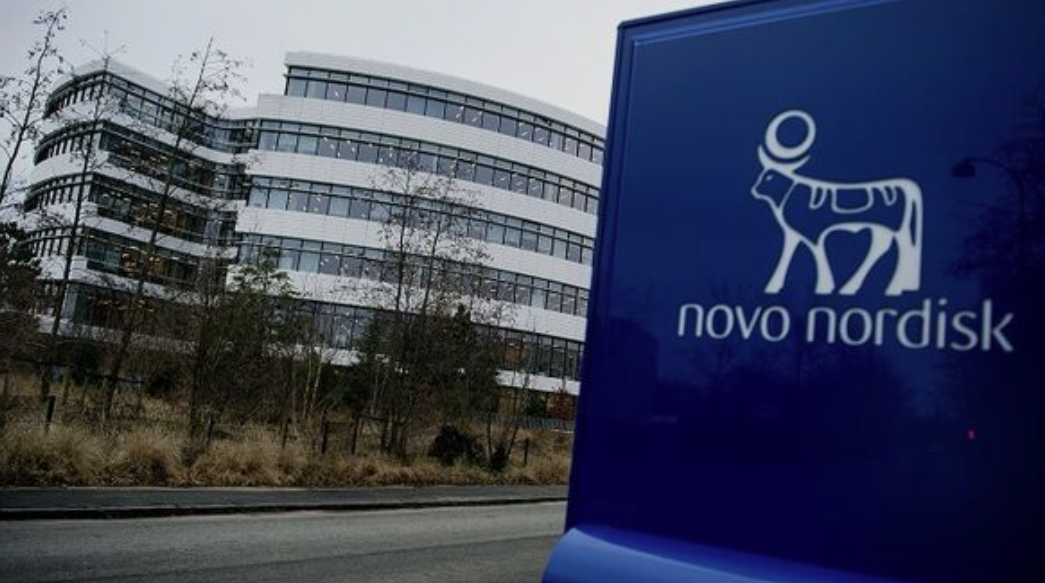
Novo Nordisk layoffs have drawn fresh attention to how one of the world’s most influential drugmakers is reshaping its workforce amid rapid changes in the pharmaceutical industry. The Danish company, best known for insulin and obesity treatments, has been expanding aggressively in the United States while also facing rising costs, intense competition, and shifting demand patterns.
The workforce reductions, though limited in scale compared with mass layoffs seen in other sectors, signal that even highly successful pharmaceutical companies are not immune to pressure from market cycles and strategic realignments. For investors, employees, and policymakers, the moves raise broader questions about the future of biotech manufacturing, jobs, and innovation in a global healthcare market that is growing fast but also becoming more complex.
Reports about job cuts emerged as Novo Nordisk continues to invest heavily in production capacity and research. According to according to Reuters reporting, the company has been balancing expansion with efficiency efforts, a pattern seen across the global pharmaceutical industry as firms try to control costs while meeting rising demand for breakthrough drugs.
A company at the centre of global healthcare demand
Novo Nordisk occupies a unique position in the global drug market. It is a leading producer of insulin, diabetes therapies, and weight-loss medicines that have gained unprecedented popularity in recent years. These products have helped the company grow rapidly, especially in the United States, where demand for obesity treatments has surged.
At the same time, rapid growth often creates operational challenges. Companies must scale manufacturing, hire skilled workers, invest in technology, and manage supply chains that stretch across continents. When demand shifts or production strategies change, workforce adjustments can follow.
The announcement of Novo Nordisk layoffs does not necessarily reflect a decline in the company’s overall business. Instead, it highlights a familiar pattern in large multinational corporations: expanding in some areas while tightening in others. Analysts often describe this as “strategic restructuring,” meaning that firms reallocate resources to projects or regions they believe will drive future growth.
US expansion and the Clayton, North Carolina footprint
One of the most closely watched areas of Novo Nordisk’s operations is the United States, particularly its manufacturing presence in North Carolina. The site often referred to as novo nordisk clayton nc has become a symbol of the company’s long-term commitment to US production.
The Clayton facility plays a major role in producing injectable medicines and supporting the company’s supply chain. Over the years, Novo Nordisk has invested billions of dollars in expanding US manufacturing, responding to strong demand and political pressure to localize pharmaceutical production.
Yet expansion does not always translate into uniform job growth. When companies modernize facilities, they often introduce automation, digital systems, and new production processes. These changes can improve efficiency but may reduce the need for certain roles while creating demand for new skills.
For local communities, this can create a mixed picture. On one hand, investment in facilities brings economic activity and long-term stability. On the other, layoffs however limited can raise concerns about job security and the sustainability of manufacturing employment in an increasingly automated industry.
The wider jobs outlook in the pharmaceutical sector
The question of novo nordisk jobs extends beyond a single company. Across the pharmaceutical industry, employment trends are being shaped by three powerful forces: technology, regulation, and global competition.
Automation and artificial intelligence are transforming drug manufacturing and research. Regulatory requirements are becoming stricter, increasing costs and complexity. Meanwhile, competition from rival drugmakers, including US and European firms, is intensifying, particularly in the lucrative obesity and diabetes markets.
In this environment, companies often adjust their workforce to align with strategic priorities. Hiring may increase in research, data science, or specialized manufacturing, while traditional roles decline. From a macroeconomic perspective, this reflects a broader shift toward high-skilled labor in advanced industries.
For investors, layoffs can sometimes be interpreted as a sign of discipline and cost control. For employees, however, they highlight uncertainty in an industry that is often perceived as stable. The reality is more nuanced: pharmaceutical companies can grow revenues while still making difficult decisions about staffing and resource allocation.
Brand identity and public perception
Novo Nordisk is not just a manufacturer; it is a global brand. The novo nordisk logo, recognizable across hospitals, clinics, and research institutions, represents decades of leadership in diabetes care. Brand reputation plays a crucial role in how workforce changes are perceived by the public.
When a company associated with life-saving medicines announces layoffs, it can trigger scrutiny from patients, regulators, and advocacy groups. Critics may question whether cost-cutting undermines access to care or innovation. Supporters may argue that restructuring is necessary to maintain long-term competitiveness and fund research into new therapies.
Public perception is particularly important in healthcare because trust is a core asset. Companies must balance commercial objectives with social responsibility, especially when their products affect millions of patients worldwide.
Patient access and support systems
Another dimension of the debate involves patient access to medicines. Programs such as the novo nordisk patient assistance form are designed to help eligible patients obtain treatments at reduced cost or free of charge. These initiatives reflect the company’s efforts to address affordability concerns in the US healthcare system.
Layoffs do not directly affect patient assistance programs, but they can influence broader discussions about corporate priorities. Policymakers and advocacy groups often examine whether companies that receive strong profits from blockbuster drugs are doing enough to support patients and communities.
In the US and Europe, debates about drug pricing, insurance coverage, and corporate responsibility have intensified. Workforce decisions, even when driven by operational needs, can become part of this larger conversation.
Key developments and timeline
To understand the significance of Novo Nordisk layoffs, it helps to view them within a broader timeline of events involving expansion, investment, and industry shifts.
| Period | Key development | Why it matters |
|---|---|---|
| Recent years | Rapid growth in obesity and diabetes drug demand | Increased revenues and global attention |
| Ongoing | Major investment in US manufacturing facilities | Signals long-term commitment to local production |
| Recent period | Workforce adjustments and layoffs | Reflects strategic restructuring and efficiency goals |
| Current outlook | Rising competition in weight-loss drugs | Could influence future hiring and investment decisions |
This timeline shows that layoffs are not isolated events but part of a wider strategic cycle that includes growth, investment, and adaptation to market conditions.
Market and investor implications
From a financial perspective, workforce changes can affect how investors evaluate a company. Markets often interpret layoffs differently depending on context. If cuts follow declining sales, they may signal trouble. If they occur during expansion, they may indicate optimization rather than weakness.
Novo Nordisk’s situation appears closer to the second scenario. The company continues to benefit from strong demand for its flagship products, and its long-term growth story remains tied to global health trends such as rising obesity rates and aging populations.
However, competition is intensifying. Rival pharmaceutical companies are developing similar drugs, and governments are exploring ways to control healthcare costs. These pressures could influence profit margins and strategic decisions in the coming years.
Investors also pay attention to how companies balance innovation with cost control. Heavy spending on research and manufacturing can boost future growth but may weigh on short-term earnings. Layoffs, in this context, can be seen as an attempt to maintain financial discipline while continuing to invest in key areas.
For a broader view of how technology-driven strategies shape corporate decisions, readers can explore related developments in the tech sector through analysis such as AI-driven strategy shifts on industry trends.
Global context: US, Europe, and beyond
Novo Nordisk’s workforce decisions must also be understood in a global context. The company operates across Europe, North America, and emerging markets, each with distinct regulatory environments and economic conditions.
In the United States, political debates about drug pricing and domestic manufacturing have intensified. In Europe, governments are focused on healthcare sustainability and industrial competitiveness. In emerging markets, demand for affordable diabetes treatments continues to grow.
These regional differences shape corporate strategies. Companies may expand production in one region while restructuring operations in another. Layoffs in a specific location do not necessarily indicate a global downturn but rather a rebalancing of resources across markets.
From a policy perspective, governments often view pharmaceutical companies as strategic assets. Their decisions about jobs and investment can influence national economic and healthcare strategies. This makes workforce changes at major firms like Novo Nordisk more than just corporate news; they become part of broader economic discussions.
What to watch next
Looking ahead, several factors will likely determine how Novo Nordisk’s workforce and business strategy evolve. Demand for obesity and diabetes drugs remains strong but could change if competitors introduce new treatments or if regulators intervene on pricing.
Technological innovation will also play a critical role. Advances in biotechnology, data analytics, and manufacturing automation could reshape how drugs are developed and produced. This may create new types of jobs while reducing others, continuing the cycle of workforce adjustment.
Regulatory decisions in the US and Europe will be another key variable. Changes in reimbursement policies, patent rules, or healthcare funding could influence corporate investment plans.
Finally, public expectations about corporate responsibility will remain high. Companies that dominate essential healthcare markets face ongoing scrutiny over how they treat employees, patients, and communities.
For a deeper look at how corporate strategy intersects with technology and investment trends, readers may find insights in discussions about global innovation shifts in sectors such as semiconductors and AI, including coverage of budget GPU strategies and their market impact.
In this broader picture, Novo Nordisk layoffs represent not a single event but a snapshot of an industry in transition. They highlight how even highly successful companies must constantly adapt to technological change, market competition, and social expectations.
FAQ
What are Novo Nordisk layoffs?
Novo Nordisk layoffs refer to workforce reductions carried out by the company as part of restructuring or efficiency efforts. They do not necessarily indicate declining business but reflect strategic adjustments.
Are jobs at Novo Nordisk still growing?
Yes, the company continues to hire in certain areas, especially research and advanced manufacturing, even as it reduces roles in others. This reflects shifting priorities rather than overall contraction.
Why is the Clayton, North Carolina facility important?
The Novo Nordisk Clayton NC site is a major US manufacturing hub. It supports production of key medicines and represents long-term investment in domestic pharmaceutical manufacturing.
Do layoffs affect patient access to medicines?
Layoffs do not directly change patient access programs, such as assistance initiatives. However, they can influence broader debates about corporate priorities and healthcare affordability.
What could happen next for Novo Nordisk?
Future developments may depend on competition in obesity drugs, regulatory changes, and technological innovation. Workforce decisions will likely continue to evolve alongside these factors.
Conclusion
Novo Nordisk layoffs highlight a broader reality in the global pharmaceutical industry: even fast-growing companies must constantly adjust their workforce to match shifting demand, technology, and competition. The job cuts do not necessarily signal a slowdown in the company’s business but reflect a strategic effort to balance expansion with efficiency as it invests heavily in manufacturing and innovation.
For employees, investors, and policymakers, the developments underscore the complex trade-offs facing major drugmakers in a rapidly evolving healthcare market. As demand for diabetes and obesity treatments continues to grow and competition intensifies, Novo Nordisk’s future decisions on jobs, investment, and production may offer important clues about the direction of the biotech sector and the stability of high-value pharmaceutical employment worldwide.