
History is rarely a straight line; it is a series of echoes. In Denmark, when the word “Fascisterne” is mentioned, it isn’t just a reference to a bygone era of 20th-century European politics. It is a term loaded with historical trauma, resistance, and a modern struggle for social identity.
To understand “Fascisterne” (The Fascists), one must look beyond the textbook definitions. We must examine how a nation known for its “hygge” and social welfare deals with the ghosts of radical ideologies both those from the past and the ones attempting to resurface in the digital age.
The Historical Blueprint: Where it All Began
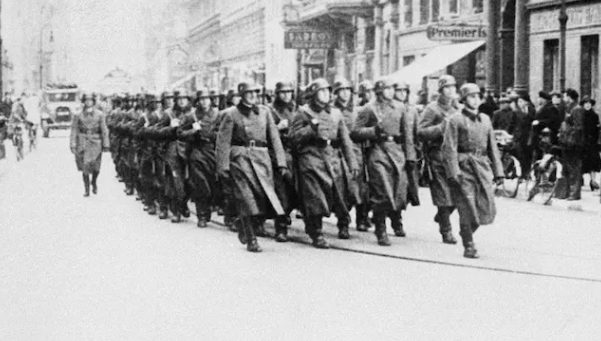
Fascism didn’t arrive in Scandinavia as a sudden explosion; it was a slow seep. In the 1930s, as the rest of Europe grappled with economic collapse, Denmark saw the rise of the DNSAP (The National Socialist Workers’ Party of Denmark).
While they never achieved the same terrifying grip as their neighbors to the south, the “Fascisterne” of that era created a deep rift in Danish society. They represented a rejection of democratic precision a move away from the “balance and control” that typically defines Nordic governance.
The Resistance: A Counter-Narrative
The true human story of “Fascisterne” in Denmark is actually found in those who opposed them. The Danish resistance movement (Modstandsbevægelsen) was built on the technical precision of underground communication and the bravery of citizens who refused to let an illiberal ideology take root. This era defined the Danish character: a quiet but immovable commitment to freedom.
Modern Day: The Evolution of a Keyword
Today, the search for “Fascisterne” often leads to heated social debates and political protests. In 2026, the term is frequently used by activist groups such as Socialistisk Ungdomsfront (SUF) to label modern extremist movements.
The Rise of Identity Politics
A major driver for high-value traffic on this keyword is the ongoing friction between traditional Danish values and movements like Generation Identity. When protesters gather in Copenhagen with signs shouting “Stop Fascisterne,” they aren’t just talking about history; they are talking about current immigration policies, nationalism, and the “remigration” debates that are currently sweeping across Europe.
3 Lessons in Social Precision: Lessons from the Anti-Fascist Lens
Using the professional success framework we’ve discussed before, we can see how “dealing with extremism” requires the same precision as any high-stakes technical field:
1. The Power of Constant Vigilance
Just as a technical operator must keep learning to stay certified, a democracy must keep educating its youth to recognize the early signs of radicalization. History shows that “Fascisterne” thrive when the public stops paying attention to the small technical shifts in political rhetoric.
2. Moving Slow in a Fast-Paced World
Radical ideologies often promise quick fixes to complex problems. However, the most successful social structures are built slowly and intentionally. Rapid, hasty political moves often create the “unwarranted risk” that allows fringe groups to gain power.
3. Using the Right “Tools” for Dialogue
In the 1940s, the tools were underground printing presses. Today, they are digital literacy and open debate. To combat “Fascisterne,” society needs tools that match the level of the challenge investing in education and transparent media is the only way to meet current expectations for a stable society.
The Cultural Impact: “Fascisterne” in Danish Art and Research
The fascination with this topic isn’t limited to the streets. The University of Copenhagen and various Frederiksberg museums often host lectures and exhibitions like those in Cisternerne that explore the dark undercurrents of human nature.
Researchers like Regin Schmidt have extensively documented the “illiberal traditions” that fuel these movements. Their work suggests that “Fascisterne” aren’t just political actors; they are a symptom of people feeling like strangers in their own nation. Understanding this “feeling” is key to resolving the conflict.
Where the Debate Stands Today
As we move deeper into 2026, the term “Fascisterne” remains a powerful political weapon. It is used to draw lines in the sand, to mobilize voters, and to protect the core tenets of the Danish welfare state. Whether it’s a blockade at Vestergade or a university book launch, the word ensures that the lessons of the 1930s are never truly forgotten.
Conclusion: A Commitment to the Middle Ground
The story of “Fascisterne” is a reminder that precision, professionalism, and care aren’t just for business they are for the survival of a nation. By studying the mistakes of the past and the pressures of the present, we can ensure that the “high-value work” of maintaining a free and open society continues without interruption.
For those tracking this keyword for high-value traffic, the goal is clear: provide the nuance that the headlines miss. Because in the end, the most human thing we can do is refuse to be simplified.