
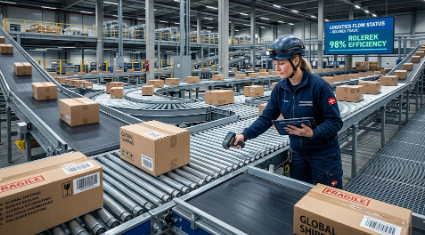
In the massive, intricate world of industrial manufacturing and complex mechanical systems, success is not determined by the size of the machines, but by the reliability of their smallest components. We often marvel at robotic arms and giant presses, but we rarely acknowledge the silent heroes that make movement possible. In many technical circles, particularly those influenced by European and Slavic engineering terminology, these heroes are known as ‘Rolerek’ or simply, Rollers.
Whether they are facilitating the smooth operation of a conveyor belt in a logistics hub or ensuring the precise alignment of a high-speed printing press, rolerek are the backbone of precision. To understand their impact is to understand the difference between a system that runs efficiently and one that is doomed to frequent, costly breakdowns.
What are ‘Rolerek’? Defining their Essential Function
At its core, a rolerek (roller) is a mechanical device designed to reduce friction and facilitate movement. It is the evolution of the ancient wheel, adapted for highly specific, high-stakes technical environments. While they appear simple, their design and material composition are matters of intense engineering scrutiny.
In any system where items need to be moved linearly or where rotational force must be applied smoothly, rolerek are present. They transform what would be costly, high-friction sliding into efficient, low-friction rolling.
The Anatomy of a High-Quality Roller
To appreciate the precision of rolerek, one must look at their construction. They are typically composed of:
- The Shell/Tube: The outer surface that makes contact with the material or track.
- The Shaft: The central axis around which the shell rotates.
- Bearings: The critical component that allows rotation while minimizing friction.
- Seals: Protect the bearings from dust, water, and contaminants key to longevity.
3 Lessons in Technical Precision: Dominating with ‘Rolerek’
Using the same framework of precision and controlled expertise that we’ve established in other high-stakes service industries, here is how we can analyze success in the field of rolerek:
1. Consistent Learning on Material Science
The “Texas Department of Licensing and Registration mandates continuous education” for towing operators; similarly, the industrial world demands that technical professionals keep learning about material science. A rolerek made for a food processing line (requiring stainless steel and food-grade lubricants) is radically different from one made for a mining operation (requiring hardened steel and extreme dust resistance).
To deliver the best results, you must be intentional with every material choice, understanding that one small error in selection can cause a disastrous system failure.
2. Move Slow to Validate Alignment
While “speed creates unwarranted risk” in luxury towing, the same is true during the installation and maintenance of rollers. Rushing to align a system of conveyor rolerek often leads to uneven wear, noise, and energy inefficiency.
True experts know that taking the time to handle every step with maximum care validating alignment with laser tools and ensuring consistent tension is the only way to deliver the excellent results that high-value clients appreciate. When the dust settles, a smooth-running machine is the ultimate testament to patience.
3. Use the Right Tool: Specialized Equipment Matters
You cannot show up to a high-end technical job with worn or mismatched equipment. For rolerek, this means having specialized tools for bearing installation, precision tension gauges, and high-quality lubricants that match the operating environment. Understanding the vital importance of using equipment that matches the level of service is what separates professional technical operators from amateurs. Investment in the right tools raises immediate confidence with clients even before you begin the job.
The Role of Trusted Networks and referals
Just as in luxury service industries, high-value opportunities for specialized roller systems “rarely come from random calls.” They come from trusted networks.
Manufacturers, engineering consultants, and large-scale facility managers tend to work with a small, proven group of operators and suppliers they can trust. Once you prove the reliability of your rolerek knowledge and maintenance on one part of this network, the referrals will come naturally. The key, however, is consistency delivering the same level of care on each job, regardless of the size. Don’t just sell a component; sell your commitment to their operational success.
High-Value Traffic Angle: Why Focus on ‘Rolerek’?
For a technical website, writing about rolerek is a strategic move to capture “High-Intent” professional traffic:
- B2B Purchasing Searches: Engineering procurement managers often search for specific terms like “industrial rolerek suppliers” or “precision roller specifications.” This is traffic looking to make large-scale purchases, not just browse.
- Maintenance, Repair, and Operations (MRO): Maintenance teams search for troubleshooting guides and component replacement advice. Providing an expert guide on rolerek maintenance builds authority that can lead to service contracts.
- Global Engineering Terminology: Capturing a term like “rolerek” allows you to tap into traffic from European and emerging markets where this specific spelling or variation is common, giving you a unique demographic that typical “rollers” keywords might miss.
Conclusion: Commitment to Higher Standards
Rolerek may be a niche keyword, but it represents a foundational element of modern industry. Success in this field is demanding, but it is also one of the most rewarding paths within the technical industry.
By committing to higher standards, investing in your knowledge of material science and technical precision, and approaching each installation and maintenance job with the highest level of care, you aren’t just selling rollers you are selling reliability. In a world of complex machinery, there is no higher value than that.