
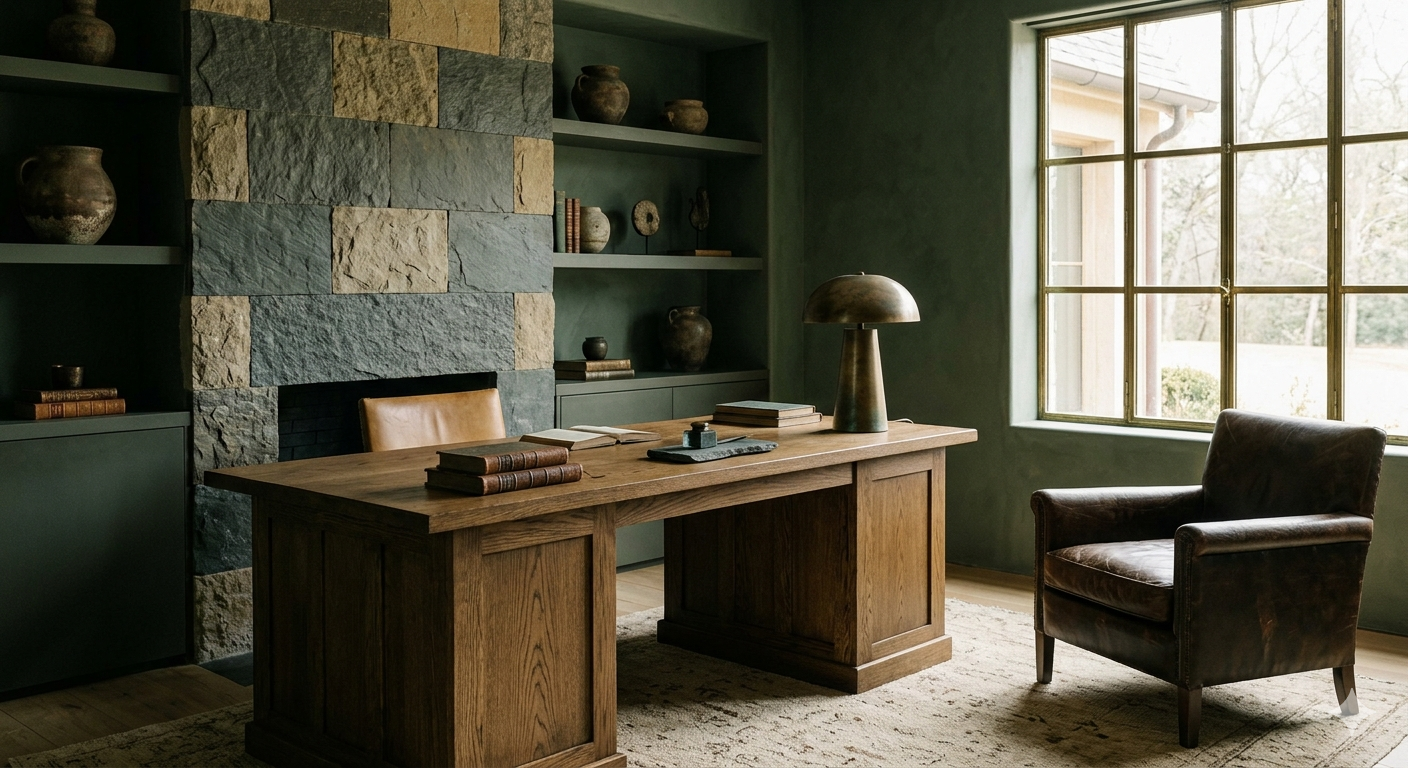
In the landscape of modern aesthetics, we have seen minimalism provide clinical clarity and maximalism offer expressive chaos. But something new is emerging a concept that doesn’t fit neatly into the binary of less versus more. It is called Fanquer.
If you have felt that modern spaces or designs are either too sterile or too overwhelming, you are likely looking for Fanquer. It is the sophisticated fusion of intentional expression and controlled narrative. It is the art of reclaiming a space, a product, or a mindset with quiet, unwavering authority. But how does this abstract concept become a practical framework for high-value execution?
The Origin: Deconstructing the Fanquer Framework
The etymology of Fanquer suggests a bridge between Fan evoking enthusiasm, devotion, or perhaps an idealized perspective and Quer (or Conquer) referring to authority, intentionality, and mastery.
Unlike contemporary trends that vanish within a season, Fanquer is not about passive decoration. It is about an active, curated stance. It is about asking: “How do we design with intention so profound that it conquered the space’s limitations?” It is where depth is the primary metric of luxury.
1. Fanquer vs. Contemporary Trends: The Battle for Substance
Most design philosophies today are reactive. They respond to market pressure or social media metrics. Fanquer is generative. It creates its own relevance.
Understanding the Gap
Reference article strategy follow karte hue Table content ko analytical rakhte hain:
| Feature | Modern Minimalism | BoHo/Maximalism | The Fanquer Approach |
| Purity | Spatial emptiness | Experiential abundance | Narrative Intentionality |
| Complexity | Extremely Low (Stripped) | Extremely High (Chaos) | Curated Depth (Layered) |
| Materiality | Clinical/Synthetic | Diverse/Natural | Heritage & Durability |
| Audience Focus | The observer (Status) | The participant (Feeling) | The Resident (Meaning) |
| Longevity | Medium (can feel cold) | Low (Trends rotate) | Perennial (Authoritative) |
While your reference article compared a bin cycle to a professional service, this comparison highlights the difference between a fleeting visual trend and a lasting design philosophy. High-value traffic isn’t looking for cheap tricks; they are looking for substance.
2. When to Transition to the Fanquer Philosophy
There is a moment in the lifecycle of any project whether you are designing a home, building a brand, or managing your digital presence where generic solutions stop working.
Signs You Have Outgrown Generic Trends:
- Your minimalist space feels like a waiting room.
- Your brand identity feels like a “template.”
- You spend too much time managing “trends” and too little time building “legacy.”
- Your environment lacks a defining narrative.
If this resonates, you are ready for a Fanquer overhaul. It means switching from simply reducing your environment to intentionally curating it.
3. The Three Pillars of a Fanquer Strategy
Executing Fanquer is not about buying more things; it’s about applying a filter of high-value intentionality.
Pillar I: The Narrative Anchor
Fanquer demands that every space or element has a core story. It answers the question: “Why must this exist here?” If an object has no story, it does not belong.
- Application: If designing a living room, the anchor isn’t the sofa; it’s perhaps a reclaimed fireplace or a rare bookshelf that dictates the flow of the room.
Pillar II: Textural Sophistication
High-value traffic is highly tactile. Minimalism uses smooth surfaces. Fanquer uses texture to add depth and friction. It is the difference between a laminated tabletop and a hand-carved stone surface. Friction is seen not as a defect, but as a sign of authenticity.
Pillar III: Controlled Mastery
This is the “Conquer” part of Fanquer. Mastery doesn’t mean owning everything. It means being the master of what you have. It involves precise, deliberate decision-making. The mastery comes from the confidence to say: “This single element is enough to define this space.”
4. The Digital Fanquer: Establishing Brand Authority
This philosophy is applicable beyond physical spaces. High-net-worth audiences are increasingly looking for this aesthetic online.
A “Fanquer” brand strategy rejects clickbait. It focuses on:
- Deep Value Content: Long-form, expertly researched guides (like this one) that demonstrate narrative depth.
- Silent Aesthetics: A brand design that feels heavy, permanent, and confident.
- Curated Visibility: Being highly visible in specific, high-intent niches rather than generic shouting.
This is what builds genuine trust and low bounce rates the hallmarks of high-value traffic.
5. Cost vs. Investment: The Fanquer Mentality
This aligns with the reference article’s cost analysis structure.
The reference article discussed cost in terms of efficiency. For Fanquer, cost is viewed entirely through the lens of Investment vs. Obsolescence.
| Strategy | Upfront Cost | Value Retention | Effort to Maintain | End-of-Life |
| Trend-Based (Boho) | Low to Medium | Very Low (Trends fade) | High (Continuous replacing) | Disposal |
| Minimalism (Fast) | Medium | Low (Generic) | Medium | Obsolescence |
| Fanquer Investment | High (Premium focus) | Extremely High | Low (Intentional focus) | Heritage |
The Fanquer standard is not a purchase; it is a long-term hold of value. By investing in depth now, you eliminate the constant cost of following the next 10 trends.
6. Sustainable Relevance: Fanquer’s Environmental Commitment
Sustainability in design is often discussed but rarely achieved. Fanquer’s very definition promotes sustainability. By moving away from disposable trends and focusing on materials of heritage, you create objects that are biologically designed for longevity.
It is about removing the risk of visual pollution. When you conquer your desire for the generic, you create relevant spaces that never end up in a landfill.
Frequently Asked Questions
Mirroring the reference guide structure.
1. Is Fanquer a form of maximalism? No. While maximalism often involves layering, Fanquer is far more restrained. It uses layers of meaning and texture, not just objects. Every layer in Fanquer is intentional and supports the core narrative.
2. How do I start applying Fanquer if I don’t have a large budget? Begin by curating your removal. You cannot conquer your space until you remove the irrelevance. Once your environment is clean, your first Fanquer element should be an investment a vintage rug, an artisan-made table, or a rare book collection. Start with one authoritative anchor.
3. Is it hard to maintain a Fanquer aesthetic? The visual aspect is low maintenance because it’s not based on strict white surfaces. However, the intellectual maintenance is high. It requires you to constantly ensure your choices are still aligning with your core narrative.
4. Is this applicable to tiny spaces? Absolutely. Fanquer is even more critical in small spaces, where every decision has outsized impact. The strategy switches to “Vertical Narrative Integration” using wall texture and precise lighting to conquer the perception of size.
Final Thoughts: Finding Your Authoritative Voice
The reference article concluded by knowing when to call the experts for green waste. For Fanquer, the concluding realization is when to trust your own authoritative intuition.
Fanquer is not a set of rules from a manual. It is a philosophy that requires you to identify your unique narrative and deploy it with conviction.
In a world that seems to be drowning in surface-level noise, Fanquer is the island of quiet confidence. It is a signal that you are not just participating in life; you have conquered your intent, curated your surroundings, and are building a legacy.