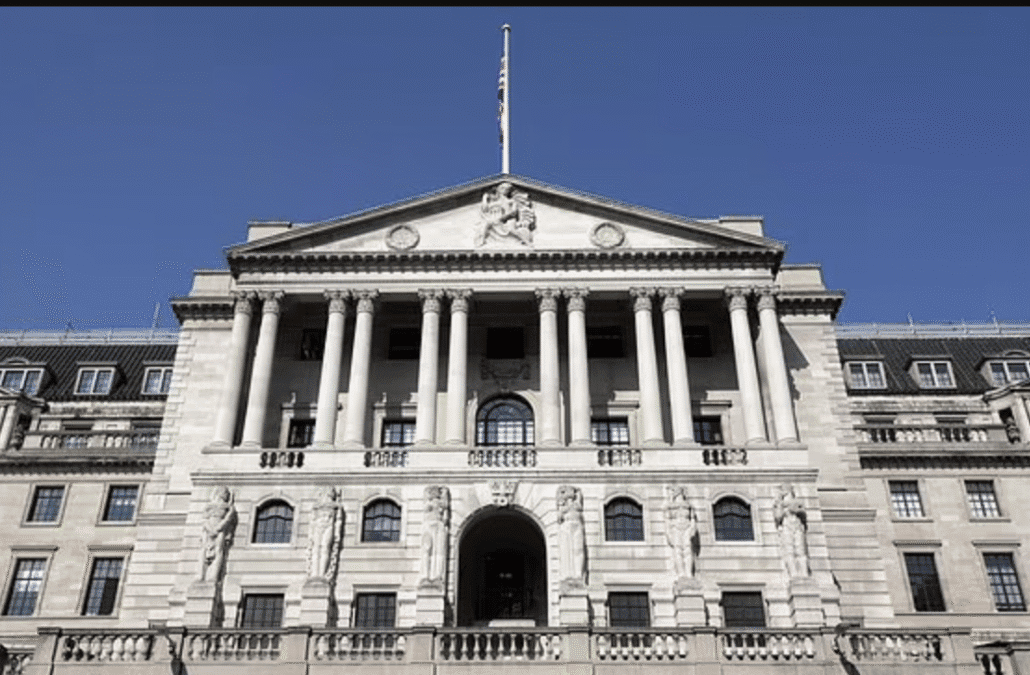
Many UK households are asking the same question: are interest rates rising again UK, or have borrowing costs peaked? The short answer is that the Bank of England has recently cut the Bank Rate to 3.75%, but the path ahead depends on inflation, wages, and economic growth.
Where UK interest rates stand right now
The latest Bank of England rate position
As of 18 December 2025, the Bank of England said it cut Bank Rate by 0.25 percentage points to 3.75%, noting inflation has fallen substantially from earlier peaks, and that future moves depend on how key pressures (such as pay growth and services inflation) evolve.
That matters because Bank Rate influences the prices banks and lenders charge across the economy, including:
- Mortgage rates (especially trackers and many variable deals)
- Savings rates (easy-access and fixed-rate bonds)
- Credit cards and personal loans
- Business lending
In other words, the current debate isn’t only about a headline number. It’s about whether UK borrowing costs keep easing or whether “rising UK interest rates” return if inflation proves stubborn.
So… are interest rates rising again in the UK?
Based on the latest official stance, rates are not currently rising: the direction in late 2025 has been downward following several cuts since August 2024.
However, that does not mean rates cannot rise again. The Bank has been explicit that the outlook is data-dependent, and a renewed inflation shock could change the policy path.
Why this question matters to UK households now
The reason “are interest rates rising again UK” is trending is simple: the UK is still adjusting to a world where money is no longer close to free.
If you are:
- Remortgaging off a cheap fixed deal, even a small shift in rates, can change monthly payments materially.
- Buying a home, rate swings affect affordability tests and how much you can borrow.
- Saving cash, your returns can fall if Bank Rate cuts continue.
- Approaching retirement, annuity rates can move as markets reprice long-term interest rate expectations.
Why did UK interest rates rise?
The big picture
To understand whether rates might rise again, it helps to understand why UK interest rates rise in the first place.
The Bank of England began raising rates from late 2021 as inflation rose sharply, with the goal of bringing inflation back to its 2% target.
Why did UK interest rates rise in 2022?
In 2022, inflation pressures intensified across energy, supply chains, and broader price growth. Central banks, including the Bank of England, responded by tightening policy, raising rates to dampen demand and prevent high inflation from becoming entrenched.
The Bank’s own explainer sets out the core mechanism: higher rates make borrowing more expensive and encourage saving, which reduces spending and helps slow price rises.
Why are UK interest rates so low (compared with history)?
People also ask: why are UK interest rates so low, especially if you remember mortgages over 10% decades ago?
A few key reasons (in simple terms):
- Long-run changes in the economy (slower trend growth, ageing populations, and high global demand for “safe” assets) have tended to pull down the “neutral” interest rate.
- After 2008, central banks kept rates low to support recovery and inflation.
- In the 2020s, rates rose again due to inflation, but the Bank is now cutting as inflation pressures ease.
The key takeaway: “low” is relative. At 3.75%, the Bank Rate is lower than the peak of the tightening cycle, but it is still meaningfully above the ultra-low levels of the late 2010s.
What could make UK interest rates rise again?
Even with recent cuts, there are realistic scenarios where the Bank Rate could increase again. The Bank has said future moves depend on whether inflationary pressures keep easing.
1) Inflation stops falling — or re-accelerates
If inflation stalls above target or rises again (for example, due to energy price shocks or supply disruptions), the Bank may have to tighten policy.
2) Wage growth and services inflation stay too high
In the UK, service inflation and pay growth can be sticky because they are linked to domestic costs. If those don’t ease, policymakers could worry that inflation will remain above target.
3) The economy rebounds faster than expected
If demand rebounds strongly, house prices rise rapidly, and consumer spending jumps, the Bank might raise rates to stop inflation from returning.
4) Inflation expectations become unanchored
If households and businesses start to believe inflation will stay high, they may raise prices and wages in anticipation, which becomes self-fulfilling. Central banks often act forcefully to avoid this.
What could keep UK interest rates falling — or stable?
Rates could keep edging down if:
- Inflation continues to fall and is expected to return close to target.
- GDP growth remains weak, and unemployment rises.
- Financial conditions are already tight (credit hard to access).
Reuters reported that the December 2025 cut came after a tight vote, and the Bank signalled caution about how quickly it would lower rates further.
The Bank’s own messaging also indicates a gradual approach.
Step-by-step: how to judge whether rates might rise again
You don’t need to be a market professional to track the main signals. Here’s a practical framework UK readers can follow.
- Check the latest Bank Rate decision and minutes
The Bank publishes the decision and summary after each meeting. - Watch inflation and wage data trends
If inflation is falling and wage growth cools, rate rises become less likely. - Look at the vote split and language
A narrow vote can signal disagreement and uncertainty, which can increase market volatility. - Track mortgage pricing trends
Lenders often move ahead of the Bank if markets expect future cuts or rises. - Know the next meeting date
The Bank publishes MPC dates in advance; the 2026 schedule includes multiple decision points through the year.
Read our explainer on whether the UK is heading for a recession for more context on how growth risks can affect sterling and markets.
Pros and cons of rising UK interest rates
Potential benefits
- Lower inflation and improved purchasing power if price growth is controlled.
- Higher savings returns over time (though not always fully passed on).
- May support the pound, reducing import-driven inflation.
Potential risks
- Higher mortgage costs for trackers/variables and new fixed-rate borrowers.
- Lower housing affordability and weaker housing activity.
- Higher debt servicing costs for businesses, potentially slowing hiring/investment.
UK-focused comparisons: mortgages, savings, and pensions
Fixed vs tracker mortgages
- Tracker/variable mortgages tend to react faster to Bank Rate changes (up or down).
- Fixed mortgages reflect market expectations of future rates and funding costs, so pricing can change even when the Bank holds steady.
Savers vs borrowers: who wins when rates change?
- Rate rises: borrowers tend to lose, savers may benefit.
- Rate cuts: borrowers may gain, savers may see returns fall.
Pensions: why annuities care about rates
Annuity pricing is influenced by longer-term interest rates and bond yields. That’s why headlines noting that Bank of England interest rate decisions could impact pension annuities aren’t just theory; they reflect how retirement incomes can change as rates and yields move.
Table: What happens to UK household finances under different rate paths
| Rate direction over next 6–12 months | Likely driver | Mortgages | Savings | Pension annuities |
|---|---|---|---|---|
| Rates rise again | Inflation/wages re-accelerate | New fixes and trackers get pricier; affordability tightens | Some savings rates may improve | Often supportive (higher yields can lift annuity rates) |
| Rates hold | Inflation near target but uncertain | Mortgage pricing may stabilise; lenders compete | Savings rates plateau; easy-access could soften | Mixed, depends on bond yields |
| Rates fall gradually | Inflation cools; growth weak | Borrowers see relief over time | Savings returns decline | Potentially less supportive if yields fall |
(These are directional impacts; individual products and lender behaviour can differ.)
Useful Tips Section: what UK readers can do now
- If you’re on a tracker/variable mortgage: stress-test your budget for payments rising again, even if the base rate is currently lower.
- If your fixed deal ends in 2026, start comparing remortgage options early; lenders often allow product transfers or offers months in advance.
- If you’re a saver, review rates regularly. EasyAccess accounts can change quickly after rate decisions.
- If retirement is near: compare annuity options and consider speaking to a regulated adviser about timing and product choice.
- Don’t rely on headlines alone: focus on inflation and wage trends, these are key drivers the Bank watches.
FAQ (People Also Ask style)
1) Are interest rates rising again UK in 2026?
Not currently. As of 18 December 2025, the Bank of England cut the Bank Rate to 3.75% and said rates are likely to fall further, depending on inflation and wage pressures.
2) Why did UK interest rates rise?
They rose primarily to bring inflation back towards the 2% target by reducing spending and cooling price pressures.
3) Why did UK interest rates rise in 2022?
Inflation surged in 2022, and the Bank responded by tightening monetary policy. The Bank’s explanation of how higher rates reduce spending and inflation helps explain the logic.
4) Why are UK interest rates so low compared with the past?
Over the last 15 years, global economic conditions kept the “neutral” rate lower than in previous decades. Rates rose in the early 2020s due to inflation, and are now easing as inflation pressures have cooled.
5) What is the outlook for rising UK interest rates?
A return to rising rates would usually require inflation or wage growth to pick up again. The Bank has signalled that decisions will be guided by incoming data rather than a fixed path.
6) When is the next Bank of England rate decision?
The Bank publishes its schedule in advance. The MPC dates for 2026 include several decision points across the year (starting in early February).
7) Can the Bank of England’s interest rate decisions impact pension annuities?
Yes. Annuity pricing is linked to longer-term rates and bond yields, so shifts in rate expectations can affect the income insurers offer, especially when markets reprice future rates.
Conclusion
So, are interest rates rising again UK? Right now, the evidence points the other way: the Bank of England cut Bank Rate to 3.75% in December 2025 and expects any further moves to depend on whether inflation and wage pressures continue to cool.
For UK readers, the next key watchpoints are: inflation, wages, and how lenders reprice mortgages and savings products between MPC meetings. If those indicators re-accelerate, “rising UK interest rates” could return — but if disinflation continues and growth stays weak, rates may fall gradually or settle around current levels.
Read our explainer on whether the UK is heading for a recession for more context on how growth risks can affect sterling and markets.