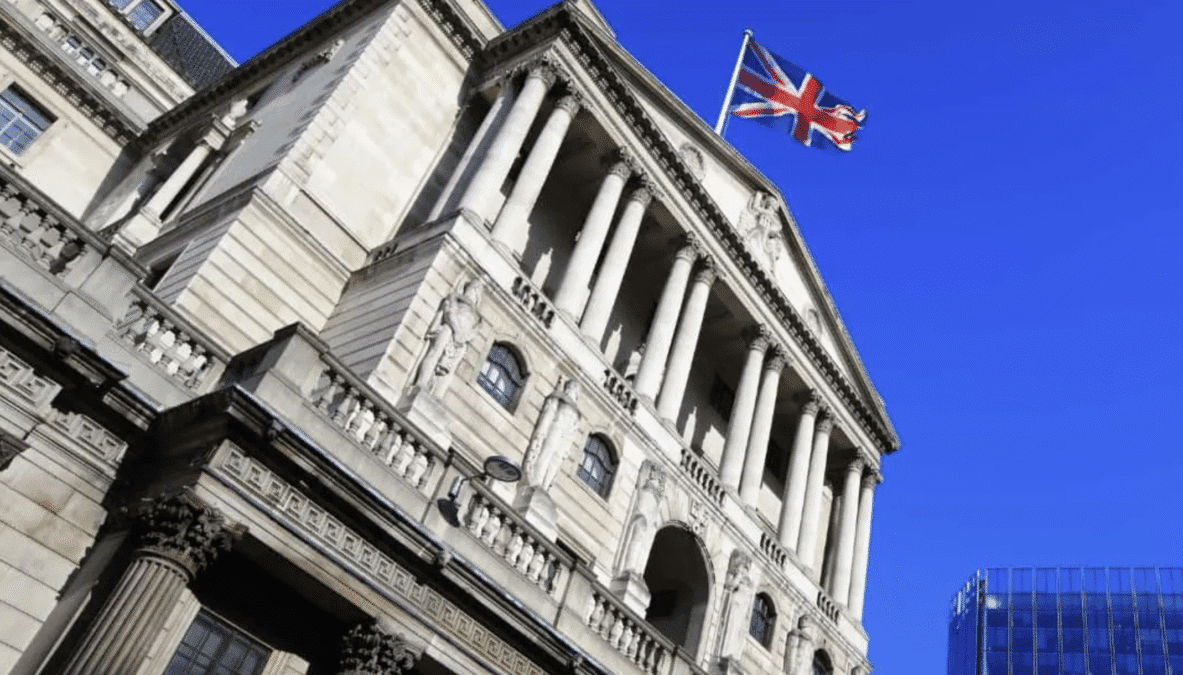
The Bank of England BoE interest rate decision is one of the most closely watched economic events in the UK. Each announcement influences mortgages, savings rates, pensions, and the wider economy. With inflation easing but growth still fragile, the latest rate decision carries significant implications for UK households and businesses.
Understanding the Bank of England BoE Interest Rate Decision
What is the BoE interest rate decision?
The Bank of England’s interest rate decision is made by the Monetary Policy Committee (MPC), which sets the Bank Rate, commonly known as the UK base rate. This rate determines how much it costs banks to borrow money and directly influences:
- Mortgage and loan interest rates
- Savings account returns
- Credit card and overdraft costs
- Pension annuity rates
- Business borrowing conditions
The MPC meets eight times a year to assess inflation, employment, economic growth, and global risks before deciding whether to raise, cut, or hold rates.
Why the Bank Rate matters
The Bank Rate acts as a benchmark for the entire financial system. When it changes, lenders and banks usually follow, adjusting the rates offered to consumers. Even small changes can significantly affect household finances over time.
Background: UK Interest Rates and Recent Policy Shifts
From record lows to aggressive tightening
Between 2009 and 2021, UK interest rates remained near historic lows, supporting borrowing and economic recovery. That changed sharply in 2022 and 2023, when surging inflation forced the Bank of England into its fastest tightening cycle in decades.
At its peak, inflation exceeded 10%, prompting a series of rapid rate hikes that pushed the base rate above levels seen since before the global financial crisis.
The shift towards easing
By late 2024 and into 2025, inflation had fallen closer to the BoE’s 2% target, allowing policymakers to begin cautiously easing monetary policy. This marked a turning point after years of rising borrowing costs.
The latest Bank of England rate decision reflects this delicate balancing act between controlling inflation and supporting economic stability.
Why the Latest Bank of England Rate Decision Matters
The BoE’s interest rate decisions affect almost every UK household. The impact is felt most clearly in four key areas:
- Mortgages: Monthly payments can rise or fall depending on rate changes
- Savings: Returns on cash savings often move in the opposite direction
- Pensions: Annuity rates are closely linked to interest rate expectations
- Consumer confidence: Rate decisions influence spending, housing demand, and investment
Because of this, the next interest rate decision by the Bank of England is closely monitored by markets, lenders, and consumers alike.
Benefits and Risks of the Current Interest Rate Environment
Benefits of lower interest rates
- Reduced mortgage and loan repayments
- Improved affordability for first-time buyers
- Lower borrowing costs for businesses
- Support for economic growth
Risks of cutting rates too quickly
- Inflation could rise again if demand accelerates
- Savings income may fall for retirees
- A weaker pound could increase import costs
The MPC must weigh these risks carefully to avoid destabilising the economy.
Real-World UK Examples
Homeowners and borrowers
A homeowner on a £200,000 tracker mortgage could see noticeable monthly savings following a base rate cut. Even a 0.25% reduction can lower repayments by tens of pounds per month, adding up over a year.
Savers and retirees
While borrowers benefit, savers may experience falling returns. Easy-access savings accounts often adjust quickly after a rate cut, affecting households that rely on interest income.
Pension annuities
The Bank of England’s interest rate decisions could impact pension annuities, as annuity rates generally improve when interest rates are higher. A prolonged period of rate cuts may reduce retirement income options for those nearing retirement.
Step-by-Step: How a BoE Rate Decision Reaches Your Finances
- The MPC announces a base rate decision
- Financial markets react immediately
- Banks adjust wholesale funding costs
- Mortgage and savings providers update rates
- Consumers feel the impact within weeks
This chain reaction explains why rate announcements often trigger immediate headlines and market volatility.
Pros and Cons of the BoE’s Current Policy Direction
Pros
- Gradual relief for mortgage holders
- Supports economic recovery
- Reduces risk of recession
Cons
- Lower savings income
- Potential long-term inflation risks
- Reduced appeal of sterling-based investments
UK-Focused Comparisons
Fixed vs variable mortgages
- Fixed-rate mortgages: Offer certainty but may lag falling rates
- Variable or tracker mortgages: React faster to base rate cuts but carry risk if rates rise again
Savers vs borrowers
- Borrowers generally benefit from rate cuts
- Savers may need to shop around to protect returns
Understanding where you sit helps you respond more effectively to policy changes.
Best Practices for UK Consumers
- Monitor Bank of England base rate decision dates
- Review mortgage deals before fixed terms expire
- Compare savings accounts regularly
- Consider professional advice for pension decisions
- Avoid short-term reactions to single rate changes
For a broader market context, read our analysis on the biggest moves in the stock market today to see how interest rate decisions influence investor behaviour.
Interest Rate Snapshot Table
| Area Impacted | Effect of Rate Cut | Effect of Rate Rise |
|---|---|---|
| Mortgages | Lower repayments | Higher repayments |
| Savings | Lower interest income | Higher returns |
| Pensions & Annuities | Potentially lower payouts | Improved annuity rates |
| UK Economy | Growth support | Inflation control |
Useful Tips for UK Readers
- Lock in competitive savings rates if you rely on interest income
- Plan remortgaging at least six months in advance
- Use rate cuts to reduce debt where possible
- Review pension annuity timing carefully
- Stay informed using official BoE updates
FAQ: Bank of England BoE Interest Rate Decision
What is the Bank of England BoE interest rate decision?
It is the MPC’s decision on the UK base rate, which influences borrowing, saving, and investment across the economy.
When is the next interest rate decision by the Bank of England?
The Bank of England publishes a schedule of base rate decision dates, typically meeting eight times per year.
How does the Bank of England’s rate decision affect mortgages?
Mortgage rates often move in line with base rate changes, especially tracker and variable products.
Why does the BoE change interest rates?
To control inflation while supporting economic growth and employment.
How do interest rate decisions impact pension annuities?
Higher interest rates usually improve annuity payouts, while lower rates can reduce retirement income options.
Do savings rates always follow the base rate?
Not always, but savings providers often adjust rates after BoE announcements.
Conclusion
The Bank of England BoE interest rate decision remains a central driver of UK financial conditions. As policymakers navigate slowing inflation and economic uncertainty, each decision carries wide-ranging consequences for mortgages, savings, pensions, and consumer confidence.
UK readers should watch upcoming Bank of England rate decision dates, monitor how lenders respond, and assess their own financial position accordingly. Whether you are a borrower, saver, or approaching retirement, understanding these decisions is essential for making informed financial choices.
Read our explainer on whether the UK is heading for a recession for more context on how growth risks can affect sterling and markets.