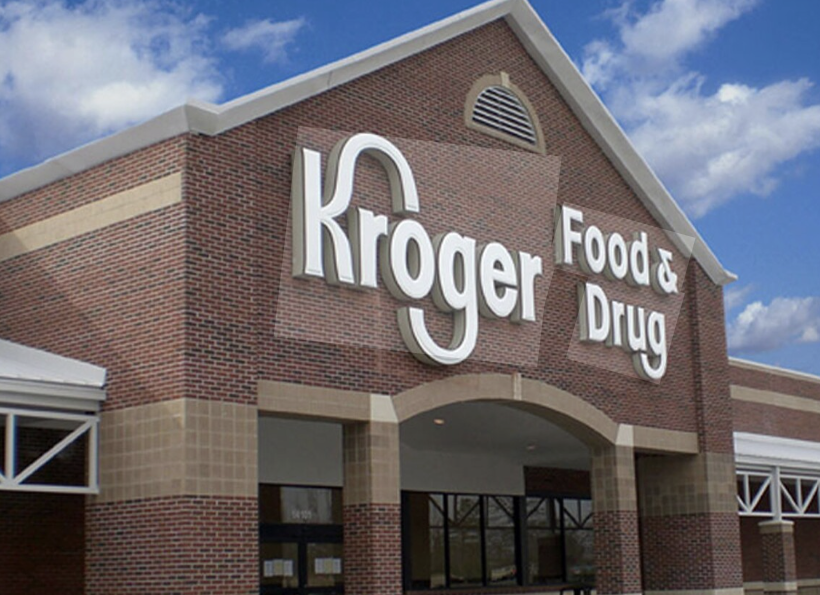
Kroger Co., one of the largest grocery chains in the United States, is closing some stores as it adjusts to shifting consumer demand, rising costs, and changes in the competitive retail landscape. The moves are part of a broader trend affecting the grocery industry, where retailers are reassessing store networks, staffing levels, and product strategies in response to economic uncertainty and evolving shopping habits.
The news of kroger stores closing has drawn attention not only because of the company’s size but also because it reflects deeper pressures on traditional supermarkets. While Kroger continues to operate thousands of stores nationwide, selective closures show how even major retailers are rethinking where and how they operate.
According to reporting from industry sources and retail coverage, some closures are tied to underperforming locations, lease issues, or long-term strategic shifts. Analysts say these decisions are rarely about a single factor. Instead, they often reflect a mix of local market conditions, competition from discount retailers, and the growing influence of online grocery services.
A changing retail environment
The US grocery market has been undergoing structural change for years. Consumers increasingly compare prices across retailers, switch brands more easily, and rely on digital channels for shopping and delivery. At the same time, inflation has affected household budgets, pushing shoppers toward cheaper options and private-label products.
For Kroger, these trends create both opportunities and risks. The company has invested heavily in digital platforms, logistics, and partnerships to compete with online players. Yet physical stores remain the backbone of its business model, meaning location strategy is critical.
Store closures, therefore, do not necessarily signal weakness in the entire company. Instead, they may indicate a shift in focus toward more profitable regions, modernized formats, or digital-first models. Retail analysts often describe this process as “portfolio optimization,” where companies reduce exposure to weaker markets while strengthening core operations.
The broader retail sector has seen similar moves. Department stores, pharmacies, and big-box retailers have also announced closures in recent years. These decisions often follow patterns of declining foot traffic, rising rents, and changing demographics.
Workforce and restructuring questions
Alongside store closures, discussions about kroger layoffs have also surfaced. Large retailers regularly adjust staffing levels during restructuring, automation upgrades, or cost-control initiatives. While Kroger has not framed its strategy as a sweeping workforce reduction, incremental job cuts can occur when stores shut down or operations are streamlined.
Labour decisions in retail tend to reflect multiple pressures: wage growth, productivity targets, and the need to balance customer service with cost efficiency. In recent years, US companies across sectors have faced scrutiny over how they manage workforce transitions, particularly when restructuring affects local communities.
The topic of layoffs also intersects with corporate reputation. Retailers must manage public perception carefully, as store closures and job losses can attract political and social attention. For Kroger, maintaining trust with employees, customers, and investors is a central challenge during periods of change.
Similar patterns have appeared in other industries as companies scale operations or redirect investments. For example, global firms in pharmaceuticals and technology have also announced workforce adjustments as part of expansion or restructuring strategies, as discussed in coverage of corporate shifts such as .
Social and cultural debates
Kroger’s business decisions have also been viewed through the lens of broader cultural debates, including discussions around kroger dei (diversity, equity, and inclusion). Large corporations in the US increasingly face questions about how social policies intersect with financial performance and brand identity.
While store closures are typically driven by financial and operational factors, public narratives sometimes connect them to corporate culture or political debates. Analysts generally caution against oversimplifying these connections. Retail economics, rather than ideology, usually play the dominant role in decisions about store networks.
However, perceptions matter. Companies must navigate a complex environment where consumers, employees, and investors increasingly expect transparency about values and strategy. For Kroger, balancing commercial goals with social expectations remains an ongoing task.
Product demand and consumer behavior
Beyond corporate strategy, shifts in consumer demand offer insight into why some stores struggle while others thrive. Products such as kroger eggs and kroger ice cream illustrate how grocery retailers respond to changing tastes, price sensitivity, and supply conditions.
Egg prices, for example, have fluctuated in recent years due to supply disruptions, feed costs, and disease outbreaks affecting poultry. These fluctuations influence customer behavior and profit margins. When staple products become more expensive, shoppers may switch retailers or reduce discretionary purchases.
Ice cream sales, meanwhile, often reflect seasonal trends and disposable income. During periods of economic uncertainty, consumers may cut back on non-essential items or opt for cheaper alternatives. For supermarkets, managing product mix is a delicate balance between meeting demand and controlling inventory costs.
Store performance is closely tied to these dynamics. Locations in areas with declining populations or lower income growth may struggle to sustain sales volumes, making closures more likely.
Industry implications
The closure of some Kroger stores has implications beyond the company itself. As one of the largest supermarket operators in the US, Kroger plays a significant role in shaping supplier relationships, pricing strategies, and competitive dynamics.
When a major retailer exits a local market, competitors may step in to capture customers. Discount chains, warehouse clubs, and online platforms often benefit from such shifts. At the same time, communities may face reduced access to affordable groceries, particularly in underserved areas.
Economists sometimes describe this phenomenon as “retail desertification,” where store closures leave gaps in essential services. Policymakers and local governments have debated how to address these gaps, though solutions vary widely depending on regional conditions.
From an investor perspective, store closures can be interpreted in different ways. Some investors may view them as prudent cost management, while others may worry about declining market share. Financial markets often react not to closures themselves but to what they signal about long-term growth prospects.
Timeline of key developments
| Period | Key development | Why it matters |
|---|---|---|
| Recent years | Expansion of online grocery services | Increased competition for physical stores |
| Recent quarters | Selective Kroger store closures | Signals strategic restructuring |
| Ongoing | Discussions around workforce changes | Reflects cost pressures and automation |
| Ongoing | Shifts in consumer demand (eggs, ice cream) | Influences store profitability and product strategy |
What analysts are watching
Market observers say the future of Kroger’s store network will depend on several interconnected factors. One is the pace of digital transformation. If online grocery continues to grow rapidly, physical stores may need to evolve into hybrid distribution hubs rather than traditional retail spaces.
Another factor is cost control. Rising wages, energy prices, and logistics expenses can erode margins, making marginal stores harder to justify. Retailers must also contend with competition from low-cost players that operate with leaner models.
Macroeconomic conditions also matter. Inflation, interest rates, and consumer confidence shape spending patterns. If households remain cautious about discretionary spending, supermarkets may face pressure to maintain low prices while absorbing higher costs.
Regulatory and political developments could also influence strategy. Large mergers, antitrust scrutiny, and labour regulations may affect how Kroger allocates capital and manages its footprint.
A broader transformation
The story of Kroger’s store closures fits into a larger narrative about the transformation of retail. The traditional model of large, evenly distributed supermarket networks is being challenged by technological change, shifting demographics, and evolving consumer expectations.
For Kroger, adaptation is not optional. The company must balance efficiency with accessibility, digital innovation with physical presence, and cost control with customer experience. Store closures are one visible outcome of this balancing act.
At the same time, closures do not necessarily imply decline. Many retailers have successfully reshaped their networks to focus on profitable markets and modern formats. Whether Kroger’s strategy will achieve similar results remains an open question.
As the grocery sector continues to evolve, the decisions made by major players like Kroger will offer clues about the future of everyday retail. For consumers, employees, and investors alike, the impact of these changes will unfold gradually, shaped by economic forces that extend far beyond any single company.
For more detail on how Kroger’s store strategy is unfolding, industry coverage has highlighted the locations and broader context of closures, as noted in .
FAQ
Why are Kroger stores closing?
Kroger stores are closing mainly due to strategic restructuring, local market conditions, competition, and cost pressures. Closures often reflect underperforming locations rather than a company-wide decline.
Are Kroger layoffs linked to store closures?
Layoffs can occur when stores close or operations are streamlined, but they are usually part of broader efficiency efforts rather than a single policy decision.
Do product trends like eggs and ice cream affect store performance?
Yes. Changes in demand and price volatility for staples like eggs and discretionary items like ice cream can influence store profitability and customer traffic.
Is Kroger’s DEI strategy related to store closures?
There is no clear evidence that DEI policies directly drive store closures. Most analysts point to economic and operational factors as the primary reasons.
Could more Kroger stores close in the future?
Additional closures are possible, as retailers regularly adjust their networks. However, future decisions will depend on market conditions, consumer behavior, and corporate strategy rather than a fixed plan.
Conclusion
Kroger’s decision to close some stores reflects the broader pressures reshaping the US grocery industry rather than a single crisis. Rising costs, shifting consumer habits, and intensifying competition are pushing large retailers to rethink where and how they operate. While store closures can signal challenges at the local level, they also highlight how major companies are adapting to structural changes in retail. How Kroger balances digital growth, physical store strategy, and workforce management in the coming months may offer a clearer picture of its long-term position in an increasingly competitive market.