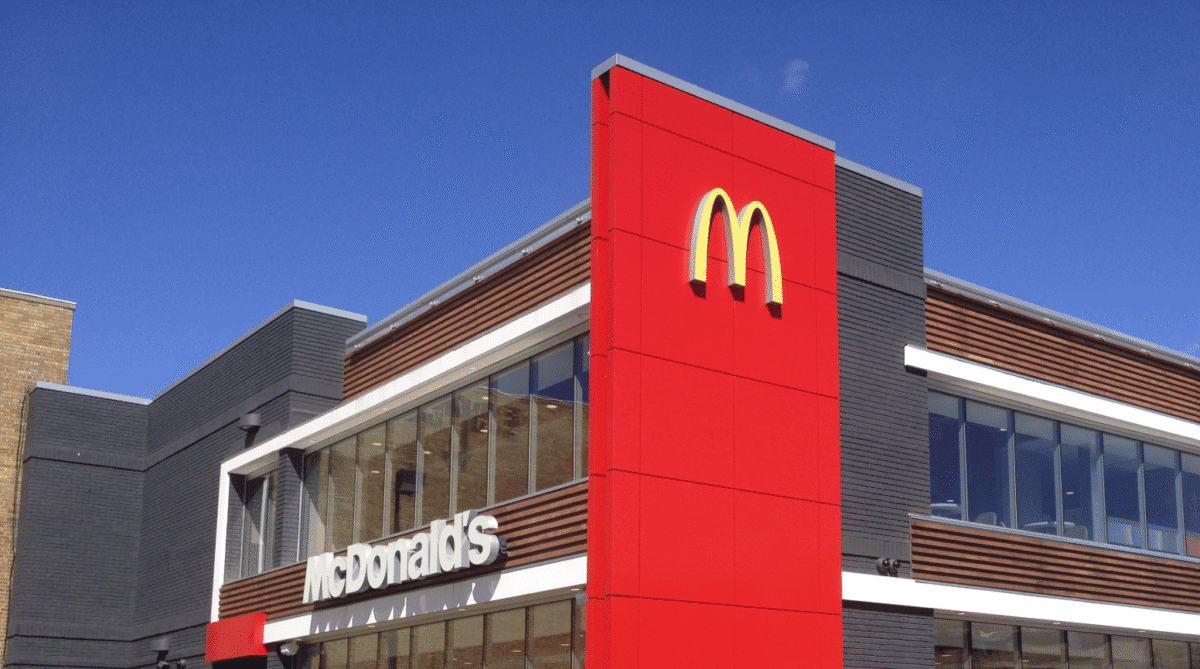
For many, the red and yellow sign of McDonald’s harassment scandal is a beacon of a quick meal. But for a disturbing number of its workers, particularly teenagers, it has become a symbol of a toxic workplace where groping, harassment, and bullying are part of the job description. Despite promises to clean up its act, a new crackdown suggests the fast-food giant’s efforts have fallen desperately short.
A Problem They Knew About
The story isn’t new. Two years ago, a BBC investigation blew the lid off a culture of sexual abuse within the chain, with workers as young as 17 sharing horrifying stories. In response, McDonald’s signed a legally binding agreement with the Equality and Human Rights Commission (EHRC) in February 2023, vowing to make changes.
But the flood of allegations didn’t stop. The BBC heard from over 160 more people, and the EHRC itself received 300 reports of harassment. Workers came forward with fresh claims: managers sending topless pictures, being inappropriately touched, and being told to “suck it up” by those in charge. It became clear that the initial plan was not enough.
“It’s a Check Box for Them to Tick”
Now, the equality watchdog is forcing McDonald’s to strengthen its measures. The new, legally-backed action plan includes specific training on the grooming of young workers and the misuse of social media—a nod to the modern ways in which harassment occurs. An external body will be brought in to review how the company handles harassment claims.
But for those who have lived through the experience, this announcement rings hollow. One former worker, who bravely spoke out in the initial investigation, offered a damning perspective: “They’ve looked at what they can possibly do, in terms of what will sound promising enough, but not actually what will bring change… It’s a check box for them to tick.”
This sentiment echoes the frustration felt by many. With over 450 restaurants implicated in legal action being pursued by law firm Leigh Day, the scale of the problem is vast. The question remains: can a corporate mandate truly change a deeply ingrained culture?
The Franchise Loophole
A significant challenge is McDonald’s franchise model. While the corporate head office is party to this new agreement, the individual franchise owners who run a large portion of the restaurants are not directly bound by it. The hope is that they will adopt the new measures, but as employment lawyer Kiran Daurka points out, this is where issues can “fall between the gaps.”
The company, for its part, says it welcomes the new measures and points to its own progress, including a new “Speak Up” channel and the dismissal of 29 people over harassment claims in the last year. They claim 95% of their employees are now aware of how to report issues.
Yet, for the 16-year old in the West Midlands who is still being sworn at by managers, or the 20-year-old who left after receiving inappropriate photos from hers, these statistics offer little comfort. The disconnect between head office assurances and the reality on the front lines is stark.
A Demand for Real Change
Baroness Kishwer Falkner of the EHRC stated that the new agreement should ensure “zero tolerance for harassment at McDonald’s.” But workers and their unions are waiting to see action, not just action plans.
Ian Hodson, national president of the Bakers Union, put it plainly: “It’s a huge problem. Workers should be entitled to go to work without being sexually harassed.”
The message is clear. Training modules and digital reporting tools are a start, but they are meaningless without a fundamental shift in accountability and power dynamics. For the 148,000 people working under the Golden Arches, the hope is that this new crackdown finally forces McDonald’s to look not just at its policies, but deep into the heart of its restaurants and protect the young people who serve there.