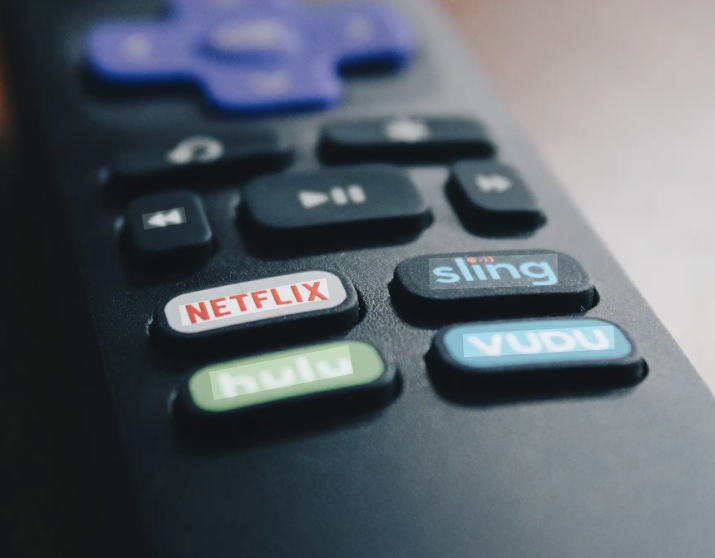
The rise in searches and retail demand for the roku remote roku reflects more than lost controllers. It points to a broader shift in how households in the United States, United Kingdom, and other markets are upgrading streaming devices and replacing older hardware.
Streaming remains central to home entertainment spending, even as consumers face higher living costs and tighter household budgets. While large television purchases often slow during uncertain economic periods, smaller accessories such as replacement remotes and entry-level streaming devices may see steadier demand. Industry analysts say this pattern can offer clues about broader consumer behavior.
Companies that make streaming hardware, including Roku, compete in a crowded field that includes smart TV makers and global technology firms. But Roku’s model has historically relied not only on device sales but also on advertising revenue generated through its operating system and content partnerships. That means even modest hardware upgrades, such as replacing a remote or switching to a newer device, can feed into a larger ecosystem.
Recent retail data from major online platforms, including listings such as those seen on Amazon’s marketplace, show steady visibility for Roku accessories and devices, suggesting ongoing interest in the brand’s hardware lineup. While exact sales figures are not publicly broken out in real time, analysts often view accessory demand as a leading indicator of active installed devices.
Hardware Upgrades in a Slower Economy
In the US and UK, inflation has cooled from earlier peaks but remains a factor in household decision-making. Central banks such as the Federal Reserve and the Bank of England continue to signal that borrowing costs may stay elevated until price pressures are firmly under control. In that context, many consumers appear to be opting for smaller technology purchases rather than full home entertainment overhauls.
The roku express, one of the company’s entry-level devices, has often been positioned as a low-cost way to add streaming capability to older televisions. Meanwhile, products such as the roku express 4k and the roku streaming stick roku cater to viewers seeking higher resolution and faster performance without investing in a new smart TV.
Replacement accessories, including remotes, are a key part of this ecosystem. When a household replaces a remote rather than an entire device, it signals that the base unit is still in active use. Analysts note that this may extend the lifecycle of hardware and maintain user engagement within Roku’s platform.
In Europe, where streaming growth has been more gradual compared with the US, device upgrades often follow improvements in broadband infrastructure. Markets in the UK and parts of the EU have seen continued expansion in fiber connections, which can support 4K streaming. Devices such as the Roku Express 4K are designed to take advantage of those speeds without requiring a full television replacement.
Smart TV Integration and Brand Partnerships
Roku’s operating system is also embedded directly into certain television models, including partnerships with manufacturers such as JVC. A jvc roku tv integrates the Roku interface into the television itself, removing the need for a separate streaming stick or box.
This model has become increasingly common globally. Rather than selling standalone devices alone, Roku licenses its operating system to TV manufacturers. The strategy mirrors how smartphone companies license operating systems or how software platforms expand through partnerships.
For consumers, the appeal lies in simplicity. A single remote can control both the TV and streaming apps, reducing the need for multiple controllers. However, when a remote is lost or damaged, users typically seek a branded replacement to ensure compatibility. This dynamic may help explain consistent search interest in Roku remotes.
From a financial standpoint, the installed base of smart TVs running Roku software can be more important than individual device sales. Advertising revenue generated from streaming services, free ad-supported television channels, and promoted placements contributes significantly to Roku’s business model.
Market Implications: Devices vs. Platform Revenue
The streaming device market has matured in the US, where most households already have at least one smart TV or streaming device. Growth may now depend more on replacement cycles and incremental upgrades than on first-time adoption.
That shift has implications for revenue mix. Hardware margins are often thinner than software or advertising margins. If consumers focus on replacing remotes or upgrading from a basic Roku Express to a Roku Express 4K, the immediate hardware revenue impact may be modest. However, platform engagement can rise if faster devices lead to more viewing hours.
Analysts often separate “active accounts” from “average revenue per user” when evaluating streaming platforms. Active accounts refer to the number of households using the service, while revenue per user reflects advertising and subscription partnerships. A stable installed base supported by accessory demand could signal resilience in these metrics.
Global competition also plays a role. Large technology firms with deep financial resources compete in streaming hardware and operating systems. At the same time, television manufacturers increasingly offer proprietary systems. Roku’s strategy of balancing standalone products such as the Roku Streaming Stick with integrated smart TVs may help maintain visibility in multiple segments.
Consumer Spending and Technology Cycles
The broader economic backdrop remains important. In both the US and UK, consumer spending patterns have shifted since the pandemic-era surge in home electronics purchases. During lockdowns, many households upgraded televisions and streaming devices. Since then, replacement cycles may have lengthened.
Yet streaming itself continues to expand. Media companies are investing heavily in direct-to-consumer platforms, and advertising-supported streaming tiers have gained traction. As viewers seek lower monthly costs, free or ad-supported channels integrated into smart TV platforms may become more appealing.
In that environment, the humble remote control plays a functional but critical role. Without it, access to streaming apps can be disrupted. As voice control features expand and mobile apps offer alternatives, physical remotes remain widely used, particularly among older viewers.
Retailers report that replacement remotes often rank among top-selling accessories in consumer electronics categories. While not high-value items individually, they indicate ongoing usage and device retention.
What the Data Suggests
Below is a simplified overview of how Roku-related hardware categories fit into the broader streaming ecosystem:
| Category | What It Is | Why It Matters | What to Watch |
|---|---|---|---|
| Roku Remote | Replacement or original controller for Roku devices and TVs | Signals active installed base and ongoing usage | Search trends and retail rankings |
| Roku Express | Entry-level streaming device | Affordable access point in US, UK, and global markets | Price competition and promotional activity |
| Roku Express 4K | Mid-tier device supporting 4K resolution | Upgrade path without new TV purchase | Broadband expansion and 4K content growth |
| Roku Streaming Stick | Compact plug-in device | Portability and performance improvements | Travel and secondary TV usage trends |
| JVC Roku TV | Smart TV with built-in Roku OS | Expands OS footprint via partnerships | Smart TV market share and licensing deals |
While the table outlines core categories, the financial impact depends on scale. Publicly listed technology companies report device sales within broader revenue categories, making it difficult to isolate the contribution of specific accessories such as remotes.
International Perspective
In emerging markets, streaming growth often follows smartphone adoption and mobile broadband expansion. However, living room streaming devices remain important in developed economies where larger screens dominate viewing time.
In the UK, regulatory discussions around digital advertising and media competition could influence platform dynamics. In the US, policymakers continue to review issues related to competition and digital markets. While no direct policy shift currently targets streaming hardware, regulatory scrutiny of technology platforms remains part of the landscape.
Investors often evaluate technology firms not only on device sales but also on advertising exposure and content partnerships. As advertising markets fluctuate with economic cycles, platform companies may experience revenue variability.
For readers tracking broader employment and corporate trends in the US, shifts in technology hiring and restructuring are part of a larger pattern. Recent developments in other industries, such as pharmaceutical workforce changes detailed in our coverage of <a href=”https://blinkfeed.blog/novo-nordisk-layoffs-jobs-us-expansion/”>Novo Nordisk layoffs</a>, show how global companies adjust strategies amid shifting demand. While streaming hardware is a different sector, both reflect how firms balance costs and growth expectations.
What to Watch Next
Looking ahead, several factors could shape demand for Roku hardware and accessories.
First, television replacement cycles may pick up if interest rates ease in the US and UK. Lower borrowing costs can improve consumer confidence and discretionary spending.
Second, advertising market trends will remain central. If ad-supported streaming grows, platform operators could benefit even without strong hardware sales growth.
Third, competition from integrated smart TV systems may intensify. Television manufacturers continue to develop in-house software platforms, potentially reducing reliance on third-party operating systems.
Finally, technological shifts such as improved voice control or mobile-based remote apps may influence physical remote demand over time. However, many households still prefer a dedicated remote for ease of use.
The steady interest in the roku remote roku category underscores a simple but important point: even in a mature streaming market, small hardware components can offer insight into user engagement and platform resilience. While not a headline-grabbing product, the remote remains a gateway to a larger digital ecosystem.
As global streaming competition evolves, accessory demand, entry-level devices like the Roku Express, and integrated products such as JVC Roku TV models may continue to serve as practical indicators of how consumers balance cost, convenience, and technology upgrades.
FAQ
What does strong Roku remote demand indicate?
It may indicate that many existing Roku devices remain in active use. Replacement purchases often reflect ongoing engagement rather than new adoption.
How is Roku Express different from Roku Express 4K?
Roku Express is typically an entry-level device for standard streaming, while Roku Express 4K supports higher resolution content and faster performance where broadband allows.
What is a Roku Streaming Stick?
The Roku Streaming Stick is a compact plug-in device that connects directly to a TV’s HDMI port, offering portability and upgraded streaming performance.
What is a JVC Roku TV?
A JVC Roku TV has the Roku operating system built directly into the television, removing the need for a separate streaming device.
Why do analysts care about accessory sales?
Accessory demand, such as remote replacements, can signal how many devices are actively used, which may influence advertising and platform revenue trends.
Conclusion
The steady interest in products such as the roku remote roku, alongside devices like the Roku Express and Roku Streaming Stick, highlights how streaming has moved from rapid expansion to a more mature, upgrade-driven cycle. Rather than signaling explosive new adoption, accessory and mid-tier device demand may reflect continued engagement within an established user base.
For investors and industry observers in the US, UK, and global markets, small hardware trends can offer useful signals about platform resilience, advertising potential, and consumer spending patterns. While the remote itself is a simple device, its ongoing relevance underscores the broader staying power of connected TV ecosystems in an evolving digital media landscape.