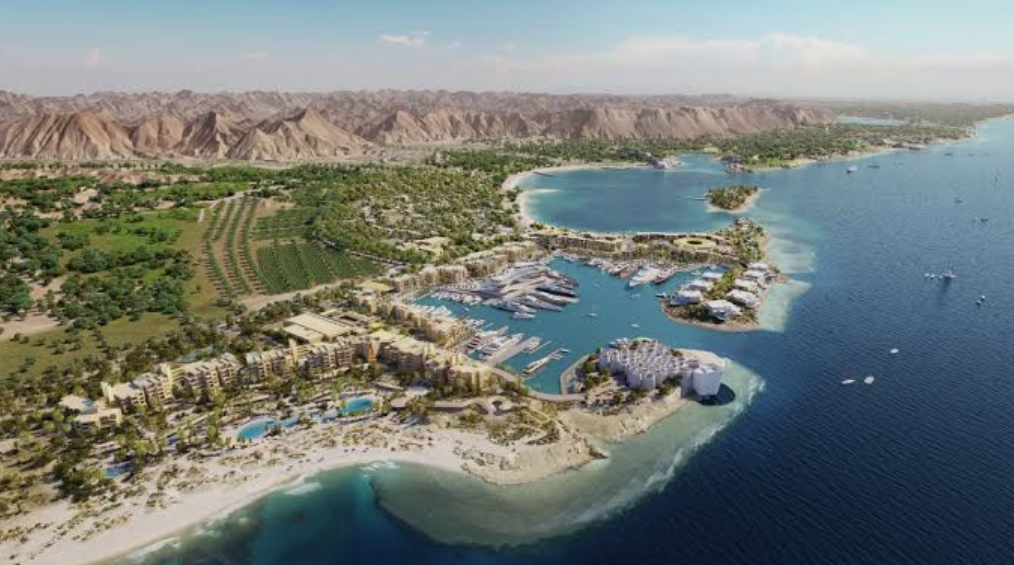
Terra Moderna and the Red Sea Resort Economy
The phrase Terra Moderna has increasingly appeared in online travel searches and marketing language tied to Egypt’s Red Sea coast. While not a formal corporate entity, the term is commonly associated with large-scale resort developments clustered around properties such as the Pickalbatros Royal Moderna Resort.
Located in the Nabq Bay area of Sharm El Sheikh, the resort reflects a broader tourism model that blends affordability, climate appeal and all-inclusive convenience. In recent years, these resort complexes have played an important role in Egypt’s post-pandemic tourism recovery.
From Resort Complex to Recognizable Brand
The Pickalbatros Royal Moderna sometimes referred to as Royal Albatros Moderna forms part of the wider Pickalbatros hotel portfolio. These resorts are typically designed as self-contained holiday environments, offering:
- Hundreds of guest rooms and suites
- Multiple swimming pools and water features
- Direct beachfront access
- On-site restaurants and entertainment
- All-inclusive pricing packages
The Terra Moderna label has emerged informally through digital marketing and search trends. In hospitality, branding can extend beyond corporate structure. A recognizable destination name often influences online booking algorithms, package tour listings and airline route decisions.
For European travelers in particular, Egypt’s Red Sea coast offers winter sunshine at comparatively lower prices than some Mediterranean alternatives.
Economic Importance to Egypt
Tourism remains one of Egypt’s most significant sources of foreign currency earnings, alongside Suez Canal revenues and remittances. Large resort complexes such as the Pickalbatros Royal Moderna contribute in several ways:
1. Foreign Exchange Inflows
International visitors pay in euros, pounds or dollars, strengthening Egypt’s external balance.
2. Employment
Resorts employ hundreds of workers directly and support additional jobs in transport, food supply, maintenance and local services.
3. Infrastructure Development
Airport upgrades, road improvements and utilities expansion often accompany resort growth, improving long-term competitiveness.
4. Multiplier Effect
Spending by tourists circulates through the local economy, supporting small businesses and service providers.
Because of these dynamics, international institutions and policymakers closely monitor tourism performance when assessing Egypt’s economic outlook.
Global Travel Trends and Competitive Pressures
Red Sea resorts compete with destinations in Turkey, Greece and Spain for European travelers. Factors shaping demand include:
- Airline capacity and charter routes
- Inflation and household disposable income
- Exchange rates
- Travel advisories and geopolitical stability
All-inclusive resorts often perform well during periods of economic uncertainty. Fixed pricing provides cost predictability for travelers facing inflation pressures at home.
At the same time, digital trends have become increasingly influential. Search activity for phrases related to “Pickalbatros Royal Moderna” or Terra Moderna may act as a leading indicator of seasonal demand.
Sustainability and Long-Term Viability
Coastal tourism depends heavily on environmental quality. Coral reefs, marine biodiversity and beach cleanliness are essential to the Red Sea’s appeal. Resort operators increasingly face expectations to implement:
- Water conservation systems
- Waste reduction initiatives
- Reef protection measures
- Energy efficiency upgrades
Sustainability is not only an environmental issue but also a competitive one. Destinations perceived as environmentally responsible may attract repeat visitors and higher-value travelers.
Ownership and Branding Considerations
Unlike publicly traded corporations with detailed investor disclosures, many hospitality groups in Egypt operate privately or within regional conglomerates. In this context:
- Brand reputation often outweighs corporate transparency in consumer decision-making.
- Online reviews and travel platforms strongly influence booking patterns.
- Consistency in naming such as between Pickalbatros Royal Moderna and Royal Albatros Moderna helps reduce consumer confusion.
The Terra Moderna label demonstrates how search behavior can shape destination identity even without a formal corporate structure behind it.
Outlook for the Red Sea Market
The trajectory of Terra Moderna-linked resorts will likely depend on several factors:
- Expansion or reduction of European flight routes
- Economic conditions in the UK and eurozone
- Currency stability
- Regional geopolitical developments
- Continued infrastructure investment
For Egypt, maintaining steady visitor flows to properties like the Pickalbatros Royal Moderna Resort supports employment, foreign currency reserves and broader macroeconomic stability.
For travelers, Terra Moderna represents a blend of warm climate, large-scale amenities and value-driven pricing. As global tourism continues to evolve, the Red Sea region remains a key indicator of how affordability, branding and connectivity intersect in modern hospitality markets.
Conclusion
Although Terra Moderna is not a standalone corporate entity, it has become shorthand for a cluster of Red Sea resort developments that play a meaningful role in Egypt’s tourism-driven economy. As global travel patterns continue to evolve, the performance of major properties in Sharm El Sheikh will remain a useful barometer of both consumer confidence and regional competitiveness.