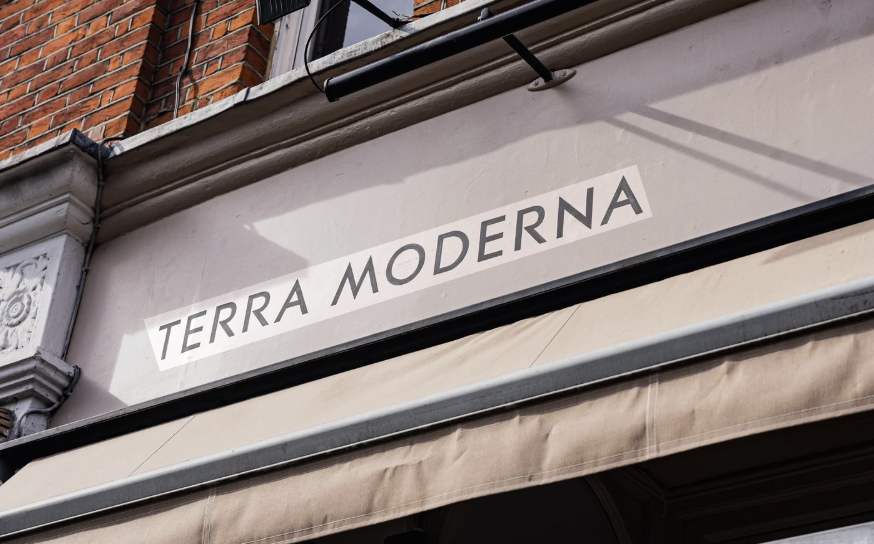
Terra Moderna, a boutique modern Italian restaurant in London’s Belsize Park, has become an unlikely lens through which investors and hospitality analysts can assess how consumer demand is evolving in the global leisure and dining markets. The restaurant, which operates under a private UK company registered as Terra Moderna Ltd, occupies a space that is both local in its foot‑traffic focus and symbolic of broader trends reverberating through the hospitality and travel sectors in the US, UK and beyond.
The modest eatery — a modern Italian spot blending Antipodean influences with traditional pasta and wine selections — operates in a segment that has faced shifting consumer patterns since pandemic restrictions eased. Diners, particularly in major urban centres like London, have resumed dining out with renewed enthusiasm, but rising living costs and tighter discretionary spending have meant restaurants must adapt on pricing, offerings and brand positioning just to maintain footfall. Reviews suggest that Terra Moderna’s menu and service resonate with local patrons seeking approachable yet contemporary cuisine, although feedback on ambience and value ranges widely among reviewers.
This microcosm of urban dining sits alongside larger hospitality operations that share part of its branding ethos but operate at a very different scale. Resorts such as the Pickalbatros Royal Moderna Resort on Egypt’s Red Sea coast illustrate how international travel and leisure consumption are recovering and reshaping. The resort, a five‑star all‑inclusive property known for its extensive pools, aqua park and family facilities, draws tourists from Europe and beyond to destinations where warm weather and expansive amenities command premium pricing and extended stays.
The juxtaposition between a neighbourhood restaurant brand like Terra Moderna and an international resort such as Royal Albatros Moderna underscores the diversity within hospitality that investors and analysts must navigate. On one end, urban dining competes with at‑home entertainment and cooking costs; on the other, global travel demand has swelled as more consumers allocate savings toward experiences and leisure.
Sector context: post‑pandemic demand and cost pressures
The broader hospitality sector has seen a complex rebound following the pandemic era. In cities such as New York, London and Los Angeles, restaurants grapple with labour shortages, higher ingredient costs and fluctuating demand. Meanwhile, leisure travel has surged, with resorts and all‑inclusive destinations reporting strong booking trends as travellers prioritise international trips after a period of restricted mobility. Analysts have noted that consumer spending on services — notably dining and travel — often rebounds as incomes recover, even as inflationary pressures persist.
In the UK restaurant scene, businesses like Terra Moderna reflect a cautious optimism. Smaller establishments have capitalised on a renewed appetite for social dining, but they also face competition from larger chains and evolving consumer tastes. In the travel and resort segment, the Pickalbatros Royal Moderna Resort and similarly positioned properties attract bookings from families and international tourists seeking beach holidays and wellness experiences.
Despite these positive trends, firms in both segments could still feel pressure from economic uncertainty. High borrowing costs, wage inflation and unpredictable consumer behaviour may influence earnings, margins and future investment decisions. Unlike publicly traded companies where quarterly results offer clear financial indicators, privately held operations such as Terra Moderna Ltd do not provide widely disseminated financials, making industry indicators and consumer patterns a key barometer for performance expectations.
Comparing hospitality segments: local dining vs resort leisure
The table below highlights how Terra Moderna’s small‑scale urban dining experience compares with a large international resort that shares part of its branding in name only:
| Feature | Terra Moderna (London) | Pickalbatros Royal Moderna Resort |
|---|---|---|
| Type of business | Urban restaurant / casual dining | International beach resort |
| Primary market | Local patrons, city diners | Global leisure travellers |
| Revenue model | Dining receipts, drinks | Accommodation, all‑inclusive packages |
| Brand scale | Boutique brand, single location | Large resort with extensive amenities |
| Consumer drivers | Menu quality, service, price | Location, leisure activities, hospitality services |
| Macro trends affecting business | City footfall patterns, employment costs | Travel demand, global tourism trends |
Implications for investors and industry watchers
What Terra Moderna and the Pickalbatros Royal Moderna Resort demonstrate is a hospitality sector in transition. Urban dining venues may be judged on their ability to attract consistent local patronage and adjust to cost pressures, while resort properties may benefit from international travel flows that could counterbalance some regional economic slowdowns.
Tourism economists often point to data showing that discretionary travel spending can lead broader economic indicators in periods of recovery. Meanwhile, restaurant performance in dense urban markets may act as a proxy for consumer confidence at a household level. Similarly, hospitality news often intersects with developments in labour markets, wage growth and the broader service economy themes that also appear in coverage of employment shifts such as the Novo Nordisk layoffs and US expansion discussed in recent industry analysis. (See related internal link on employment trends in the biotech and broader services economy.)
Investors evaluating hospitality stocks or private ventures may watch a range of indicators: city‑level dining revenues, travel booking data, resort occupancy rates and auxiliary spending on experiences. Public equities tied to hotels, cruise lines and travel platforms often reflect expectations about global mobility, while smaller private brands may rely on positive reviews and local marketing to sustain growth.
Outlook: what to watch
Looking ahead, several factors could shape how Terra Moderna and comparable businesses fare:
- Consumer spending power: With inflation and living costs still relevant in the UK and US, discretionary dining and travel budgets could tighten or shift toward value‑oriented choices.
- Travel trends: Continued appetite for international trips, especially to warm‑weather destinations, may bolster resort performance and related travel services.
- Urban economic health: Office footfall, commuter patterns and event‑driven demand may influence city dining venues more directly than travel‑centric businesses.
- Brand diversification: Hospitality brands that can diversify offerings for example, by adding delivery, events or specialised menus may offset slower periods.
Sector analysts said that while outdoor and leisure travel segments have shown robust recovery signals, urban dining remains more sensitive to local economic cycles and informal employment trends. Restaurants like Terra Moderna could benefit from tailored experiences that resonate with local communities, even as global travel continues driving volume to resort destinations around the world.
FAQ
What is Terra Moderna?
Terra Moderna refers to a London‑based modern Italian restaurant brand operated by Terra Moderna Ltd, a private company incorporated in the UK.
How does Pickalbatros Royal Moderna relate?
Pickalbatros Royal Moderna Resort is a separate hospitality property in Sharm El Sheikh, Egypt, and shares part of the “Moderna” name but operates at a very different scale and market segment.
Is Terra Moderna publicly traded?
No Terra Moderna Ltd is a private company and does not publicly disclose financial results like a listed firm would.
Why is this relevant to investors?
Understanding how different hospitality segments perform can inform broader views on consumer spending, travel demand and service industry resilience under shifting economic conditions.
Could Terra Moderna expand?
While brand expansion is possible for successful dining venues, any future developments would depend on market conditions, financing and strategic decisions by the company’s owners.
What factors affect resort demand like at Royal Albatros Moderna?
International travel demand, seasonal tourism patterns, geopolitical stability and leisure spending trends all influence occupancy and revenue at major resorts.
Conclusion
Terra Moderna and the Pickalbatros Royal Moderna Resort illustrate how the hospitality sector is adapting to evolving consumer behavior. Urban restaurants must balance quality, pricing, and local demand, while international resorts rely on global travel trends and leisure spending. Analysts said observing these patterns can offer insights into broader economic recovery and discretionary spending. As both local and global hospitality segments adjust, businesses that remain flexible and responsive to customer preferences may be better positioned for sustainable growth.