Election results reveal how citizens voted in an election. In this guide, you’ll learn what “election results” mean, how votes are counted and certified, and why they are important to democracy. We explain the process step by step, share key benefits and challenges, and provide practical tips for interpreting results.
Read our guide on SpaceX’s big leap toward an IPO and the Starlink space race for more insights into how major global developments influence markets.
What Are Election Results?
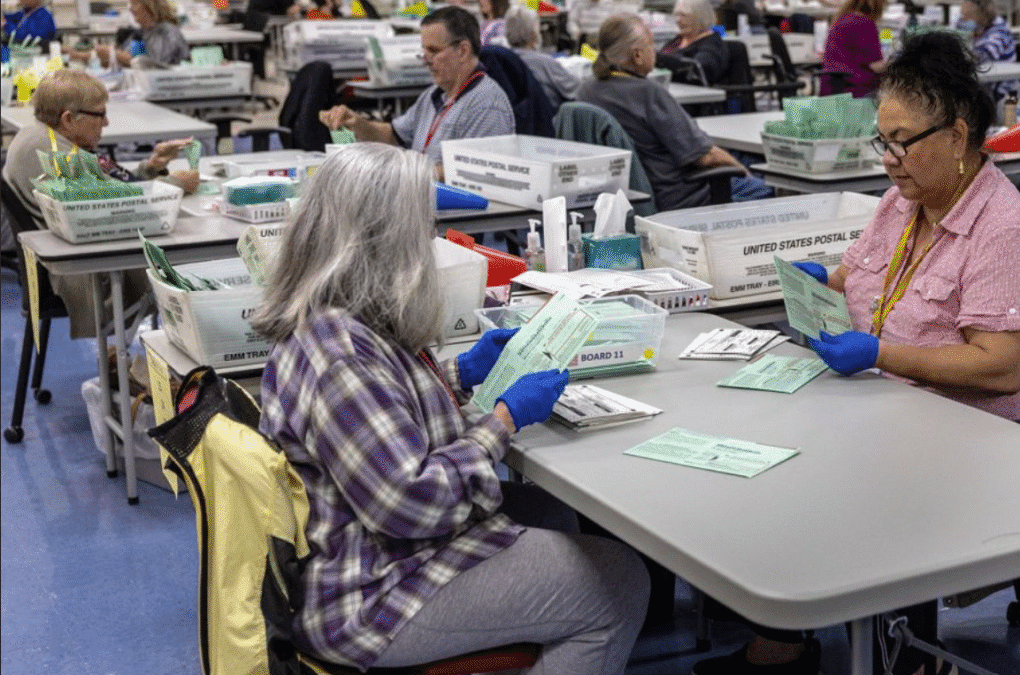
Election results are the official tallies of votes cast for each candidate or option in an election. When polls close, votes are counted often by machines or by hand, and preliminary totals are reported. These initial figures, however, are not final. As the U.S. Election Assistance Commission notes: “The election results reported on election night are never the final, certified results.” This means that even when media outlets or dashboards show 100% of precincts reporting, election officials still perform post-election checks (the “canvass”) to ensure accuracy before certifying the outcome.
Election officials publicly share results as soon as they are available, but they emphasize that true official results come only after these checks. In practice, certified results can take days or weeks, depending on the jurisdiction and the number of outstanding ballots (for example, mail or provisional ballots).
Why Are Election Results Important?
Election results are crucial because they determine who will hold public office and shape policy decisions. They provide legitimacy to government leaders and let citizens hold elected officials accountable. Transparent results also bolster public trust in the democratic process.
- Political Impact: Results tell us which candidates or parties won, influencing government policy on taxes, healthcare, the economy, and more. For example, a change in the ruling party might lead to new laws or regulatory shifts.
- Economic Effects: Financial markets often react to election outcomes. Investors try to anticipate policies based on who wins. However, long-term studies (e.g. by Investopedia) find that the winning party has had “a negligible impact on the direction of the U.S. stock market over time.” Short-term market swings can occur around elections, but broader trends depend on many factors beyond just party control.
- Democratic Legitimacy: Clear, timely results ensure that the voice of every voter is counted. They allow the public to see that elections were fair and that winners truly earned the most votes (or met the rules of the system). This transparency helps prevent disputes and unrest.
Benefits of Transparent Results
When election results are clear and openly communicated, it builds confidence in democracy. Some key benefits include:
- Legitimacy and Trust: Citizens trust the outcome when results are fully verified and transparent.
- Informed Public: Voters, media, and analysts can learn from turnout data and voting patterns to improve future elections.
- Peaceful Transitions: Confirmed results help ensure an orderly transfer of power, reducing uncertainty.
- Engagement: Seeing real-time results can engage citizens (e.g., through live election night coverage), encouraging political participation.
Overall, transparent reporting of election results strengthens the democratic process by showing that “every vote counts.”
Examples of Recent Election Results
- 2020 U.S. Presidential Election (Nov 2020): Record turnout led to over 81 million votes for the winning candidate. Results were closely watched, with delays in some states for final counts (mail ballots, etc.). The official results took weeks to certify.
- 2019 UK General Election: Votes were tallied overnight, and final results showed a landslide win for one party. Because the system is first-past-the-post, a clear winner emerged quickly.
- 2018 Brazilian Election: Brazil used electronic voting machines. Results were available soon after polls closed, illustrating how technology can speed up counts (though election officials still verified totals).
- 2021 German Federal Election: Proportional representation meant forming coalitions. Results required parties to get exact vote shares before seat allocation, a process finalized days after voting.
These examples show that election result timing and certainty vary by system. Some (like paper ballots) take longer to finalize, while others (like electronic systems) can yield quick preliminary totals. In every case, the final outcome is confirmed through official certification.
How to Access and Interpret Election Results
- Find Official Sources: Start with the official election commission or secretary of state website for the country, state, or region holding the vote. Most governments publish real-time results or final tallies. The U.S. National Association of Secretaries of State (NASS) emphasizes that election officials’ own websites and social media are the trusted sources for credible, timely results.
- Check Reputable News Outlets: Major media organizations (like Reuters, BBC, The Associated Press) aggregate and verify results, often using official data. Watching live coverage or reading their updates can give context and expert analysis.
- Understand Preliminaries: Be aware that initial results may shift. As Vote.org explains, “early returns may differ from final counts,” and only the certified results ultimately matter. Never assume a result is final on election night.
- Monitor Certification: Especially in close races, look for announcements of certification dates. Local officials will report when all ballots (including mail-in and provisional) have been counted and audited.
- Use Official Apps or Tools: Some elections offer online ballot trackers or official result apps (for example, county election dashboards). These can confirm your vote was counted and show live totals.
By following these steps, you’ll get accurate information and avoid confusion from incomplete or unofficial data.
Pros and Cons of Election Result Reporting
Pros:
- Transparency: Public access to counting and final reports builds trust.
- Accountability: Detailed results (by region, demographic, etc.) allow analysts to scrutinize the process and detect anomalies.
- Engagement: Real-time reporting can boost interest and turnout, as people feel part of the process.
Cons/Challenges:
- Misinformation Risk: Early or unofficial figures can be misinterpreted or manipulated on social media. Voters may not understand that “100% reporting” is not final, leading to confusion.
- Technical Errors: Some electronic systems have faced glitches or cyberattacks. Hand counts can have human errors. Both require post-election audits.
- Time Lag: Counting every vote (especially mail-in or provisional ballots) can take days. In the interim, partial results might not reflect the true outcome.
- Legal Disputes: Close or contentious results sometimes trigger recounts or court cases, delaying finality.
Despite these challenges, following best practices (see below) helps ensure that the pros outweigh the cons in reporting results.
Comparison of Vote Counting Methods
| Method | How It Works | Advantages / Challenges |
|---|---|---|
| Manual Count | Paper ballots are counted by hand by officials. | + Highly transparent; – Very slow, labor-intensive; human error possible. |
| Optical Scan | Paper ballots are fed into scanning machines. | + Fast tally; + Good accuracy; – Requires secure equipment; + Paper trail remains. |
| Electronic Vote (E-vote) | Voters enter choices on a touch-screen or online system. | + Very fast count; – Susceptible to technical/hacking issues; + No paper, which speeds the process but removes the paper audit trail. |
Each method affects how quickly and confidently results are reported. Many elections use a hybrid approach: for example, optical scanners (quick count) with a manual audit backup for security. Understanding the method helps citizens gauge when to trust the totals being reported.
Best Practices for Interpreting Results
- Trust Official Counts: Always rely on certified results from election authorities. The #TrustedInfo campaign advises voters to get updates directly from election officials’ sites for the most accurate information.
- Be Patient: Remember that final results often take time. It’s normal to wait days for all votes to be counted, especially with mail voting or overseas ballots.
- Cross-Check Information: Compare multiple reputable sources (official site, news, party statements) to confirm any result before accepting it.
- Understand the System: Know the election rules (e.g., if there’s a threshold for majority, or if an electoral college is used). These can affect how results translate into winners.
- Look for Certification Notices: Election officials will announce when results are certified. Until then, treat early figures as “projections” or “unofficial tallies.”
- Watch for Recounts: In very close races, a recount or legal challenge might occur. Good sources will update if that happens.
By following these practices, you’ll better interpret results and avoid common pitfalls like reacting to incomplete data.
Key Insights
- Preliminary vs. Official: Early vote tallies are helpful, but not final. Always wait for certification.
- Transparency is Vital: Clear reporting (with methods explained) builds trust in the outcome.
- Varied Systems: Different countries (and even local jurisdictions) count votes differently; know which method is used.
- Impact Beyond Politics: Election outcomes can influence markets and policy, but don’t determine them alone.
- Stay Informed: Use reputable and official channels for updates; ignore rumors or unverified social media claims.
Read our guide on SpaceX’s big leap IPO and the Starlink space race for more details on how major events can influence public interest and markets.
Useful Tips
- Check Official Websites: Use the country or state’s election commission website for live results. These are the most reliable sources.
- Monitor Trusted Media: Follow established news agencies (Reuters, BBC, AP) for their election trackers or visualizations. They fact-check data before publishing.
- Verify with Election Officials: The National Association of Secretaries of State (NASS) encourages voters to trust state election offices for accurate updates. Many states also have hotlines or social channels for real-time info.
- Understand Vote Totals: If you see changes, it’s likely due to late-arriving mail ballots or provisional ballots being added. Vote.org notes that “Election Night results are always preliminary”.
- Wait for Certification: Final winners are only declared after certification. According to Vote.org, the winner is confirmed “once every vote is properly counted”, even if that is after election night.
- Beware of Misinformation: Double-check viral claims about results; official sites will show the true certified numbers. The #TrustedInfo campaign reminds us that election officials are the go-to source.
- Use Trackers or Apps: Some regions have smartphone apps or online tools to “track your ballot” status or live results (for example, the U.S. has “ballot trackers” in many states). These let you confirm your vote was counted.
FAQ
What exactly are election results?
Election results are the final counts of all votes in an election. They show how many votes each candidate or proposition received. These results determine which candidates win office. Only after an official count and certification process are results confirmed as final.
How are election results determined?
Votes are counted by hand, machine, or both. Every valid ballot is included. After counting, election officials “canvass” (verify) the totals and resolve any issues (like stray marks or provisional ballots). Once the canvass is complete, officials certify the results as official.
Can early election results change?
Yes. Early or “unofficial” results (often shown on election night) can and do change. For example, late-arriving absentee or mail-in ballots might be counted after initial totals. As Vote.org explains, early returns may differ from final counts, and only the official count is final.
How can I check official results?
Look for your local or national election authority’s website they often publish live updates. Major news outlets and international organizations (like the Electoral Commission or a government elections office) will also publish results. Using official apps or contacting election offices can ensure you get accurate data.
What does “100% reporting” or “precincts reporting” mean?
This indicates the percentage of polling places or precincts that have reported their totals. However, even 100% reporting is usually still unofficial until auditors finalize the count. The U.S. Election Assistance Commission warns that even with “100% reporting,” results are not yet certified.
Do election results affect the stock market?
Election outcomes can cause short-term market volatility as investors adjust to anticipated policies. However, research (e.g. by Investopedia) shows the winning party tends to have minimal impact on long-term market trends. Markets are influenced by many factors, including economic data and global events, not just election winners.
What happens if election results are contested?
If a result is extremely close or there are allegations of error, many places allow recounts or legal challenges. This means officials will double-check ballots or hold court hearings. The process varies by country/state, but the goal is to ensure accuracy before final certification. Sometimes this can delay the official announcement of the winner.
Why should I trust official vote counts?
Election officials follow strict procedures and audits to ensure accuracy. Initiatives like #TrustedInfo drive voters to official sources because they provide verified and secure information. Always cross-check against official numbers before believing any claims about an election’s outcome.
Conclusion
Election results are the culmination of the democratic process. They are more than just numbers – they reflect the collective choice of voters and shape future policies. In this guide, we covered what election results are, how they are counted and certified, and why they matter to governments, markets, and citizens. Remember: early numbers are provisional, so always wait for official, certified totals. Trust transparent, authoritative sources and stay informed. By understanding the process and its importance, you become a more knowledgeable and empowered participant in democracy.
Read our guide on SpaceX’s big leap toward an IPO and the Starlink space race for more insights into how major global developments influence markets.