
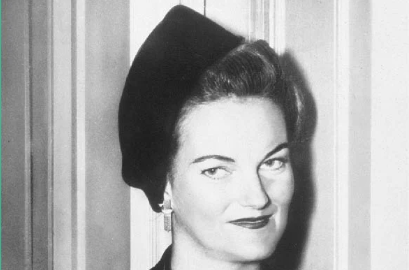
Introduction to Chandi Heffner’s Public Identity
Chandi Heffner is a name that often appears in discussions surrounding wealth, philanthropy, and high-profile social circles in the United States. Known for her association with one of America’s most private and wealthy heiresses, Doris Duke, Heffner’s life story is intertwined with themes of privilege, legal disputes, animal welfare advocacy, and public scrutiny. Over the years, she has become a figure of interest not only because of her connection to immense inherited wealth but also due to the controversies and legal battles that have shaped her public image. While some view her as a dedicated philanthropist who used her influence for charitable causes, others remember her more for the conflicts that surrounded her role in managing trust funds and estates tied to Doris Duke’s legacy. Understanding Chandi Heffner requires looking beyond headlines and examining the complex intersection of wealth, responsibility, and personal conviction that defines her public journey.
Early Life and Background
Chandi Heffner’s early life is often discussed in relation to how she eventually entered elite social and philanthropic circles. While not born into extreme wealth herself, her life changed dramatically when she became associated with Doris Duke, one of the richest women in the world during her lifetime. Doris Duke, an American heiress to the Duke tobacco fortune, was known for her reclusive lifestyle and significant charitable contributions. Heffner’s connection to Duke placed her in a position that would later define much of her public identity.
Before this association, Heffner’s life was relatively private, and little is widely documented about her early upbringing compared to her later years. However, what is clear is that her path shifted significantly once she became involved in Duke’s personal and philanthropic affairs. This connection ultimately placed her in a world of luxury estates, global philanthropy, and high-stakes legal and financial responsibility, setting the stage for both opportunity and controversy.
Relationship with Doris Duke and Rise to Public Attention
The most defining chapter of Chandi Heffner’s life revolves around her relationship with Doris Duke. Heffner became closely connected to Duke during the later years of Duke’s life, eventually becoming a companion and trusted figure in her personal world. This relationship led to Heffner being named in various legal documents and trust arrangements, which significantly elevated her public profile.
Doris Duke was known for her complex personal life and carefully structured estate planning, which included provisions for charitable foundations, staff members, and close associates. Heffner’s inclusion in this financial and legal ecosystem brought her both privilege and responsibility. After Duke’s death in 1993, disputes arose over portions of the estate, including claims and counterclaims involving Heffner’s role and entitlements.
This period marked the beginning of Heffner’s emergence into public attention, not as a traditional celebrity, but as a central figure in one of the more talked-about estate and trust controversies of the era. Media coverage often focused on the legal complexities surrounding Duke’s fortune, and Heffner became one of the individuals most closely associated with these proceedings.
Legal Disputes and Estate Controversies
Following Doris Duke’s death, the distribution of her vast fortune became the subject of extensive legal examination. Trust structures, charitable foundations, and personal bequests were all part of a carefully designed estate plan. However, disagreements and legal challenges emerged regarding how certain provisions were interpreted and executed.
Chandi Heffner became involved in these disputes, particularly in relation to her financial claims and her standing within Duke’s estate plans. Some legal arguments centered around whether certain agreements were valid or properly executed, while others questioned the extent of her entitlement compared to other beneficiaries and institutions connected to Duke’s philanthropy.
These legal proceedings were complex and drawn out, reflecting the scale of Duke’s fortune and the number of parties involved. For Heffner, this period was both financially and emotionally significant, as it placed her at the center of public scrutiny. The media often portrayed these disputes in dramatic terms, framing them as battles over wealth and influence, though the underlying legal matters were far more nuanced.
Despite the controversies, the legal processes eventually reached resolutions, though interpretations of fairness and legacy continue to be debated by observers and commentators who study high-profile estate cases.
Philanthropic Work and Animal Welfare Advocacy
Beyond legal disputes, Chandi Heffner has also been associated with philanthropic efforts, particularly in the area of animal welfare. Over time, she became known for supporting causes related to the protection and care of animals, especially elephants. Her advocacy in this area reflects a broader trend among individuals connected to significant wealth who use their resources to support conservation and ethical treatment initiatives.
Heffner’s work in animal welfare aligns with a growing global awareness of wildlife protection, habitat conservation, and ethical treatment standards. While not always in the public spotlight for her charitable contributions, her involvement in these causes has contributed to a more balanced understanding of her public identity.
In many ways, her philanthropic interests also reflect the influence of Doris Duke, who herself was known for supporting charitable foundations across various fields, including culture, medicine, and environmental preservation. Heffner’s continuation of similar values demonstrates how personal relationships can shape long-term philanthropic priorities.
Public Perception and Media Representation
Chandi Heffner’s public image has been shaped significantly by media coverage, particularly during the legal disputes following Doris Duke’s death. In such high-profile cases, media narratives often simplify complex legal and financial matters into more dramatic storylines centered on conflict and wealth.
As a result, Heffner has often been portrayed in contrasting ways. Some accounts emphasize her role as a beneficiary and participant in estate controversies, while others highlight her philanthropic work and personal advocacy. This duality is common among individuals connected to large estates, where legal disputes tend to overshadow charitable contributions in public perception.
Over time, public interest in the estate disputes has faded, allowing for a more nuanced view of Heffner’s life and work to emerge. However, the early media narratives continue to influence how she is remembered in discussions about Doris Duke’s legacy.
Wealth, Responsibility, and Ethical Questions
The story of Chandi Heffner also raises broader questions about wealth, responsibility, and ethical stewardship. Being associated with a large estate like that of Doris Duke involves not only financial benefits but also significant moral and legal responsibilities. Decisions regarding charitable distributions, trust management, and personal entitlements often become subjects of scrutiny and debate.
Heffner’s involvement in these processes highlights the complexities faced by individuals who find themselves connected to extraordinary wealth, especially when that wealth is tied to philanthropic intent. The tension between personal benefit and charitable obligation is a recurring theme in such cases, and Heffner’s experience reflects this broader dynamic.
These issues are not unique to her situation but are part of a larger conversation about how wealth is managed across generations and how donor intent is preserved after death. Her story serves as one example of how these challenges unfold in real-world legal and social contexts.
Legacy and Long-Term Impact
Chandi Heffner’s legacy is not defined by a single narrative but rather by a combination of philanthropy, legal history, and public perception. While she may always be linked to the estate of Doris Duke, her own contributions to charitable causes, particularly in animal welfare, represent an important part of her identity.
Her life story also contributes to ongoing discussions about estate planning, trust law, and philanthropic governance. Legal experts and historians often look at cases like hers to understand how complex estates are managed and how disputes can arise even when detailed planning is in place.
In the broader sense, Heffner’s legacy is tied to both the benefits and challenges of being connected to immense wealth. It illustrates how personal relationships, legal structures, and public expectations intersect in ways that can shape a person’s life for decades.
Conclusion
Chandi Heffner’s life reflects a unique intersection of privilege, controversy, and philanthropy. From her close association with Doris Duke to her involvement in high-profile estate disputes and her work in animal welfare, her journey is one marked by complexity rather than simplicity. While media narratives have often focused on the legal and financial aspects of her story, a deeper look reveals a figure engaged in both the responsibilities and challenges that come with being part of a major philanthropic legacy.
Her story serves as a reminder that wealth and influence are not only about financial power but also about the obligations and ethical decisions that accompany them. Whether viewed through the lens of legal history or charitable contribution, Chandi Heffner remains a notable figure whose life continues to spark discussion about inheritance, responsibility, and the lasting impact of philanthropy.