

Walk into any thoughtfully designed modern home or eco-conscious workspace today, and you’ll likely notice a quiet shift happening underfoot. Synthetic materials are slowly being replaced by something older, simpler, and far more sustainable wollmatten, or wool mats.
They may look like just another home accessory at first glance, but wollmatten are part of a much bigger movement. From interior design to agriculture and even industrial use, these natural fiber mats are gaining attention for all the right reasons.
This isn’t just a trend. It’s a return to materials that work with nature instead of against it.
What Are Wollmatten?
At their core, wollmatten are mats made from natural sheep wool, processed and compressed into durable, flexible layers. Unlike synthetic mats made from plastics or rubber, wool mats retain the natural properties of wool insulation, moisture regulation, and biodegradability.
Depending on how they are manufactured, wollmatten can range from soft, carpet-like textures to dense, heavy-duty mats used outdoors or in agricultural settings.
What makes them stand out is not just what they are but what they do.
Why Wollmatten Are Gaining Popularity
The growing interest in wollmatten isn’t random. It’s driven by a mix of environmental awareness, practical benefits, and long-term cost efficiency.
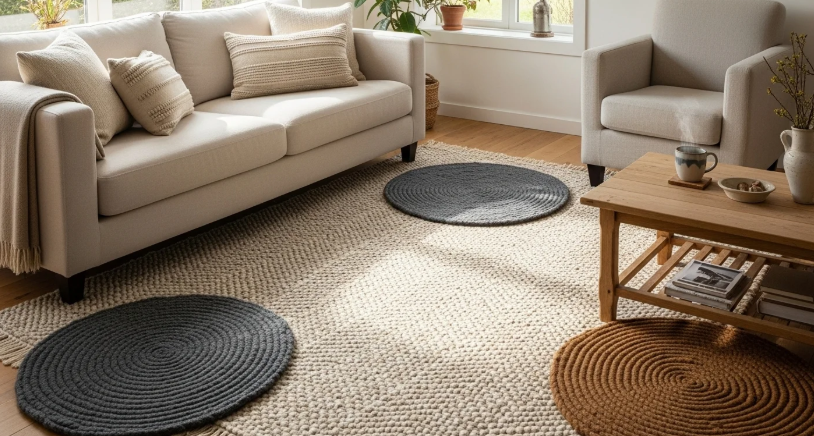
1. A Natural Alternative to Synthetic Materials
Most conventional mats are made from petroleum-based materials. They’re cheap, yes but they come with environmental costs that are hard to ignore.
Wollmatten, on the other hand:
- Are made from renewable resources
- Break down naturally over time
- Do not release harmful microplastics
For eco-conscious buyers, that alone is a compelling reason to switch.
2. Exceptional Moisture Control
Wool has a unique ability to absorb and release moisture without feeling wet. This makes wollmatten particularly useful in environments where humidity fluctuates.
Whether placed in an entryway, bathroom, or even used in gardening, they:
- Prevent water buildup
- Reduce mold risk
- Maintain a dry surface feel
It’s a small feature with a big impact on comfort and hygiene.
3. Natural Insulation Properties
One of wool’s most underrated qualities is its insulating power. Wollmatten help regulate temperature by trapping air within their fibers.
This means:
- Warmer floors in winter
- Cooler surfaces in summer
- Reduced energy dependency indoors
Over time, this can even contribute to lower heating and cooling costs.
4. Durability That Surprises Most People
There’s a misconception that natural materials wear out quickly. Wollmatten prove the opposite.
High-quality wool fibers are:
- Elastic and resilient
- Naturally resistant to wear and tear
- Capable of maintaining shape under pressure
With proper care, a good wollmatte can last for years sometimes even longer than synthetic alternatives.
Applications of Wollmatten
One of the strongest advantages of wollmatten is their versatility. They’re not limited to a single use they adapt to different environments surprisingly well.
Home and Interior Design
In modern homes, wollmatten are used as:
- Floor mats
- Area rugs
- Meditation or yoga mats
- Bedside comfort layers
They add a soft, natural aesthetic while improving indoor comfort.
Gardening and Landscaping
This is where wollmatten really shine.
Gardeners and landscapers use them for:
- Weed control
- Soil moisture retention
- Erosion prevention
Placed around plants, wool mats act as a protective barrier that:
- Blocks weeds naturally
- Keeps soil hydrated longer
- Slowly releases nutrients as it decomposes
It’s like giving your plants a built-in support system.
Agriculture and Farming
In agriculture, wollmatten are becoming a sustainable alternative to plastic ground covers.
Farmers use them to:
- Protect young crops
- Improve soil health
- Reduce chemical dependency
Unlike plastic sheets, wool mats don’t need to be removed after use. They naturally break down and enrich the soil.
Industrial and Commercial Use
Beyond homes and farms, wollmatten are also used in:
- Sound insulation
- Packaging
- Protective padding
Their shock-absorbing and acoustic properties make them valuable in industries where both protection and sustainability matter.
Environmental Impact: A Clear Advantage
If there’s one area where wollmatten clearly outperform synthetic options, it’s sustainability.
Biodegradability
Wool mats decompose naturally, returning nutrients like nitrogen to the soil. No landfill buildup, no long-term waste.
Reduced Carbon Footprint
Wool production, when managed responsibly, has a lower environmental impact compared to petroleum-based materials.
Plus, since wollmatten:
- Last longer
- Require less replacement
They reduce overall consumption.
No Microplastic Pollution
Unlike synthetic mats, wollmatten don’t shed harmful microplastics into the environment a growing concern in both indoor and outdoor spaces.
Are There Any Downsides?
To keep things realistic yes, wollmatten aren’t perfect.
Higher Initial Cost
They are usually more expensive upfront compared to plastic or rubber mats. However, their durability often balances this out over time.
Maintenance Requirements
Wool requires a bit more care:
- Regular shaking or light cleaning
- Protection from excessive moisture buildup
But nothing overly complicated.
Sensitivity to Extreme Conditions
In very wet outdoor environments without proper drainage, wool mats can degrade faster than expected.
Still, for most use cases, these drawbacks are manageable.
How to Choose the Right Wollmatte
Not all wollmatten are created equal. If you’re planning to invest in one, here are a few things to consider:
Thickness and Density
Thicker mats offer better insulation and durability, while thinner ones are more flexible.
Intended Use
- Indoor comfort = softer texture
- Gardening = denser, more rugged structure
- Industrial = heavy-duty compression
Quality of Wool
Look for high-grade, untreated wool for the best performance and longevity.
Size and Coverage
Measure your space properly to avoid gaps or unnecessary overlaps.
The Future of Wollmatten
The demand for sustainable materials is only growing and wollmatten are perfectly positioned to benefit from this shift.
As technology improves, we’re likely to see:
- More refined manufacturing techniques
- Better durability and customization
- Wider adoption across industries
What was once considered a niche product is quickly becoming mainstream.
Final Thoughts
Wollmatten represent something bigger than just a practical product. They reflect a broader shift toward mindful consumption choosing materials that are not only effective but also responsible.
They may cost a bit more upfront. They may require a little care. But in return, they offer durability, versatility, and environmental peace of mind that synthetic alternatives simply can’t match.
If you’re looking for a solution that blends functionality with sustainability, wollmatten are worth serious consideration.
Sometimes, the smartest innovations aren’t new inventions they’re rediscoveries of what nature has already perfected.